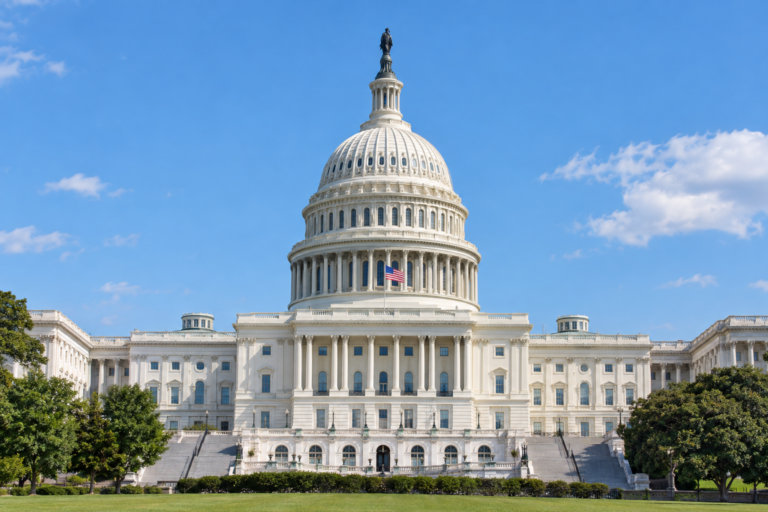
As Congress reconvenes, lawmakers are intensifying their scrutiny of the Pentagon’s request for approximately $80 billion, primarily aimed at funding the ongoing military operations in Iran. This request has sparked a broader debate about the authorization of military actions and the strategic implications of U.S. involvement in the region.
The discussions center around whether Congress has adequately authorized the military campaign in Iran or if it has effectively checked the executive branch’s powers. Senators from both parties are calling for more comprehensive briefings on the emerging U.S.-Iran framework and the administration’s next steps. The political stakes are high, involving critical issues such as war powers, appropriations, sanctions policy, and oversight of any final agreement.
The ongoing conflict in Iran has raised questions not only about military strategy but also about the financial implications for taxpayers. With the Pentagon’s funding request, lawmakers are tasked with evaluating the cost versus the benefits of continued military engagement. This scrutiny is particularly pertinent given the historical context of U.S. military interventions abroad and the lessons learned from past conflicts.
As lawmakers grapple with these issues, they are also aware of the need for transparency and accountability in foreign policy decisions. The current debate reflects a growing demand among constituents for clarity on how military funds are being utilized and the rationale behind ongoing military operations.
In Myrtle Beach, the implications of these discussions resonate as local residents, many of whom may have family members serving in the military, closely follow the developments. The outcome of Congress’s deliberations could impact not only national policy but also local sentiments regarding military engagement and foreign affairs.
The debate is expected to continue as both the House and Senate seek to address the pressing questions surrounding the Iran conflict. Lawmakers are poised to engage in further discussions, aiming to reach a consensus that balances national security interests with the need for legislative oversight. As the situation evolves, the focus will remain on ensuring that the U.S. military actions align with the country’s strategic objectives and values.