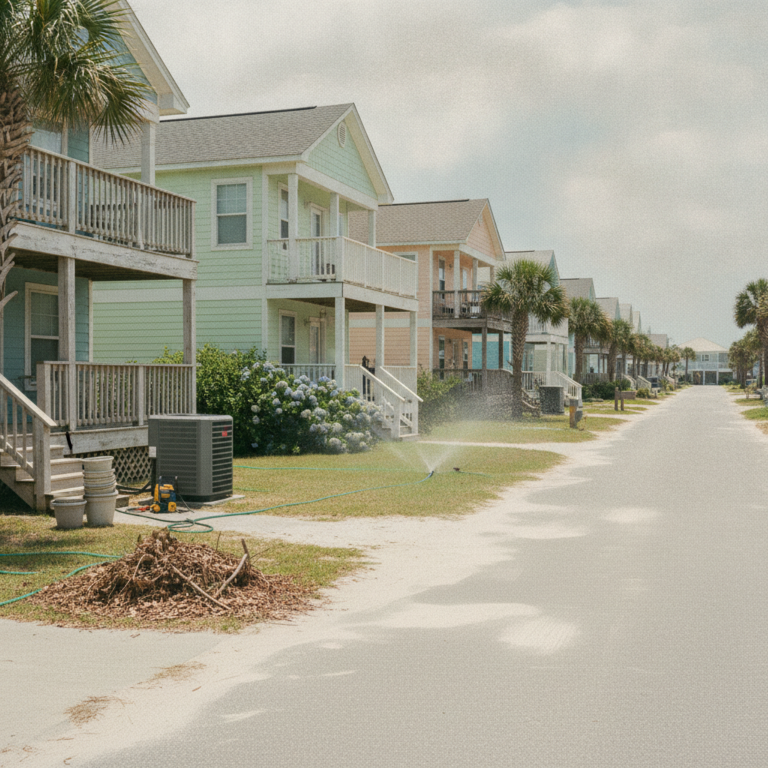
A significant update to the housing hazard framework has been introduced, emphasizing the need for landlords and tenants in Myrtle Beach to be aware of 21 categories of housing risks. This framework aims to enhance home safety by providing a detailed checklist that inspectors and property managers can use to assess various hazards in residential properties.
The 2026 update outlines issues that can impact everyday home safety, including dampness, excess cold or heat, falls, electrical hazards, fire risks, and sanitation concerns. These hazards are crucial for maintaining a safe living environment and can significantly affect the well-being of residents.
The practical value of this framework lies in its ability to serve as a home-safety checklist for tenants, landlords, and property managers alike. By focusing on inspection preparation, documentation, and repair prioritization, the guidelines encourage a proactive approach to housing safety. Although the framework is primarily focused on the UK, its principles can be adapted to suit local contexts, provided that specific local code requirements are verified.
In Myrtle Beach, where the housing market is influenced by the seasonal influx of tourists, the implications of this framework are particularly relevant. Landlords and property managers must ensure that their properties meet safety standards to protect both long-term residents and seasonal visitors. This is especially pertinent in areas with high tourist activity, where the demand for safe and habitable accommodations is paramount.
As the summer season brings an increase in visitors to Myrtle Beach, the importance of maintaining safe housing conditions cannot be overstated. The new checklist provides a structured approach for property owners to identify and rectify potential hazards before they become serious issues. This proactive stance not only benefits tenants but also protects landlords from potential liabilities associated with unsafe living conditions.
The introduction of this housing hazard framework aligns with broader trends in property management and tenant rights, highlighting the growing emphasis on safety and quality in housing. As more attention is drawn to these issues, it is expected that landlords in Myrtle Beach will adapt to these guidelines to enhance the safety and satisfaction of their tenants.
In conclusion, the updated housing hazard framework presents an opportunity for Myrtle Beach landlords and tenants to engage with housing safety in a more structured and informed manner. By utilizing the checklist provided, stakeholders can work together to ensure that residential properties are safe, habitable, and conducive to a positive living experience.