An intense heat wave is forecast to affect Myrtle Beach and much of the eastern United States, with dangerous heat and humidity expected from Friday, July 3, through at least Sunday, July 5. The phenomenon, described as a heat dome, is projected to bring real-feel temperatures as high as 100 to 115 degrees to affected areas, impacting hundreds of millions ahead of the Fourth of July holiday.
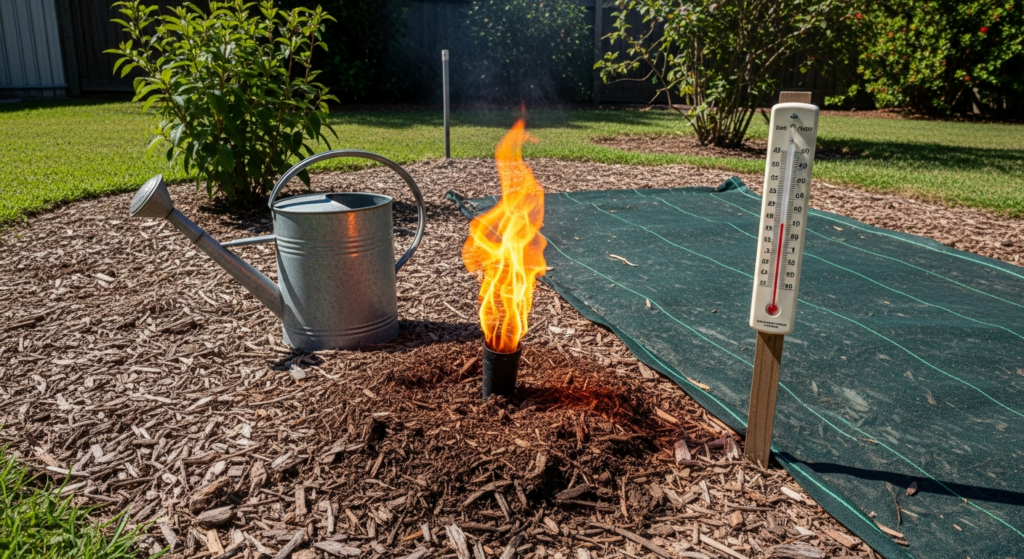
The elevated temperatures present challenges for home gardeners in Myrtle Beach. Plants, particularly those recently established or in direct sunlight, will require increased attention. Experts advise watering deeply in the early morning hours to allow moisture to penetrate the soil before the intense midday sun causes rapid evaporation. Providing temporary shade for sensitive plants, such as young vegetables or delicate ornamentals, can also help mitigate stress during the hottest parts of the day. Mulching garden beds can help retain soil moisture and regulate root temperatures.
For those planning to spend time outdoors during the holiday weekend, whether at local attractions like Myrtle Beach State Park or along the Atlantic Ocean, precautions are essential. Limiting strenuous activities to cooler parts of the day, typically early morning or late evening, is recommended. Hydration is critical, with consistent water intake throughout the day, even before feeling thirsty. Seeking air-conditioned environments or shaded areas frequently can help prevent heat-related illnesses.
The heat wave also poses considerations for outdoor workers across Myrtle Beach. Industries such as construction, which sees ongoing resort and residential development, and public services, managed by entities like the City of Myrtle Beach and Horry County Government, often involve personnel working outside. Employers and individuals in these sectors are advised to prioritize frequent breaks, access to shade and water, and monitoring for signs of heat exhaustion or heatstroke among themselves and their colleagues.
### Why it matters in Myrtle Beach
The impending heat wave carries significant implications for Myrtle Beach, a community heavily reliant on its leisure and hospitality industry, especially during the peak summer season. The Grand Strand Regional Medical Center, a key healthcare provider in the area, may anticipate an increase in patients presenting with heat-related illnesses, placing additional demands on emergency services. Furthermore, the City of Myrtle Beach, responsible for maintaining public spaces and managing events, will need to consider the welfare of its outdoor workforce and the safety of residents and visitors enjoying the holiday weekend. The extreme temperatures underscore the importance of public awareness regarding heat safety, particularly as the community navigates one of its busiest times of the year.