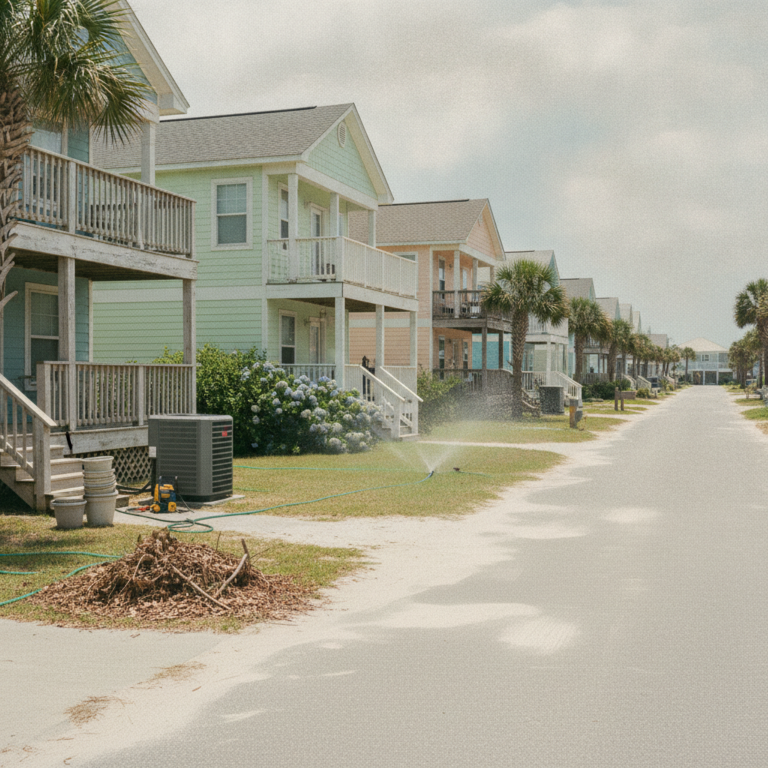
With July temperatures often climbing in Myrtle Beach, homeowners and gardeners are turning their attention to protecting outdoor plants and living spaces from the intense summer heat. National guidance from sources like Good Housekeeping and AccuWeather emphasizes several practical steps to mitigate the effects of prolonged high temperatures on garden beds, container plants, and patios.
One of the most critical measures is deep and consistent watering. Instead of frequent, shallow watering, which encourages roots to stay near the surface, a deep watering approach ensures moisture penetrates further into the soil. This encourages plants to develop stronger, deeper root systems, making them more resilient to heat stress. Experts suggest watering early in the morning or late in the evening to minimize evaporation, allowing the water to reach the roots before the sun’s intensity increases. For garden beds, this means a thorough soak, while container plants, which dry out more quickly, may require daily attention.
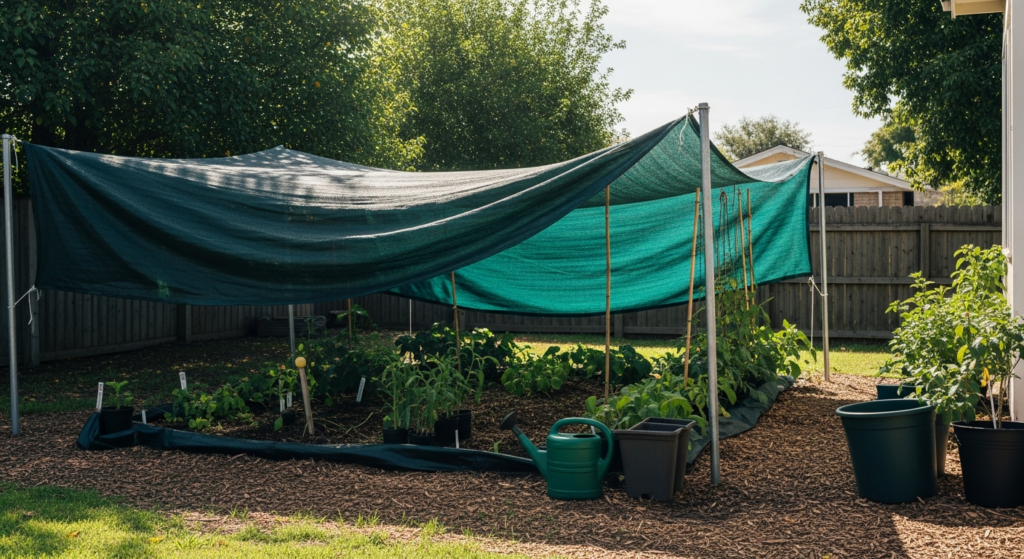
Shade and mulch also play a significant role in heat protection. Applying a layer of organic mulch, such as pine straw or wood chips, around plants in garden beds helps retain soil moisture, regulate soil temperature, and suppress weeds. This creates a cooler, more stable environment for root systems. For plants particularly susceptible to direct sun, temporary shade structures, like shade cloths or even strategically placed patio umbrellas, can offer crucial relief during the hottest parts of the day. This is especially relevant in areas of Myrtle Beach where direct sun exposure can be relentless.
Container plants, due to their limited soil volume, are particularly vulnerable to heat. Where feasible, moving potted plants to shadier locations during peak heat hours can prevent wilting and scorching. If moving is not an option, grouping containers together can create a microclimate that offers some mutual shading and reduces moisture loss. Ensuring containers have adequate drainage is also important to prevent root rot, especially when increasing watering frequency.
Finally, avoiding midday outdoor work is advisable for both plant health and personal safety. The intense sun and heat of the afternoon can stress plants further, and working during these hours can lead to heat exhaustion for individuals. Tasks such as pruning, fertilizing, or planting new additions are best reserved for the cooler morning or evening hours. This approach helps minimize shock to plants and ensures that any interventions are more effective.
### Why it matters in Myrtle Beach
The sustained summer heat in Myrtle Beach directly impacts the vitality of residential landscapes and public green spaces. For homeowners in neighborhoods like Grande Dunes or Carolina Forest, implementing these heat protection strategies can mean the difference between thriving gardens and struggling plants, preserving property aesthetics and value. Similarly, the City of Myrtle Beach’s parks and recreation department, responsible for maintaining areas such as Chapin Memorial Park and Gardens by the Sea, faces similar challenges in keeping public plantings healthy. Effective heat management ensures the continued beauty and ecological health of the city’s outdoor environments, which are integral to the local quality of life and the experience of visitors.