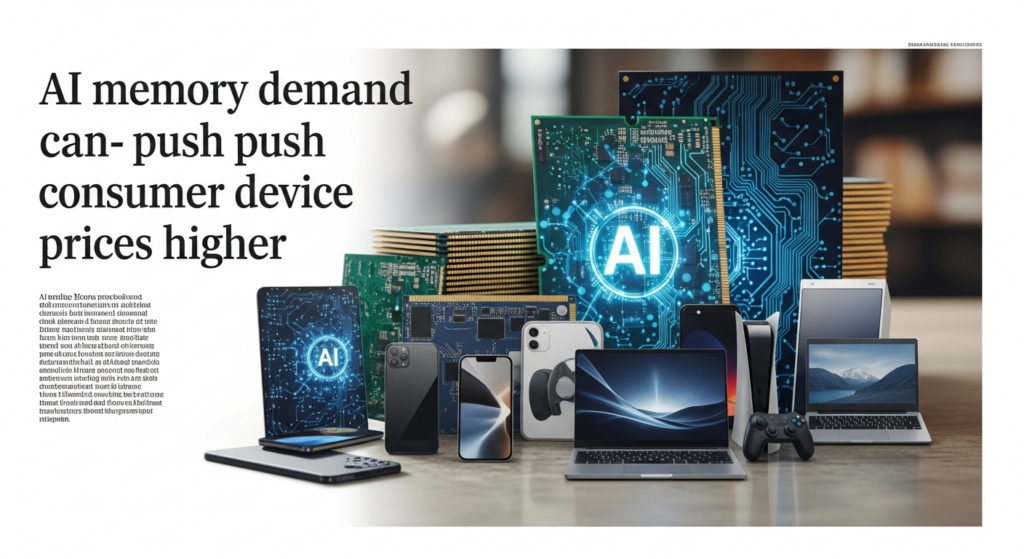
A global surge in demand for specialized memory and storage components, primarily fueled by the rapid expansion of artificial intelligence infrastructure, is beginning to exert upward pressure on the prices of consumer electronics. This trend, observed across the technology sector, means that devices like personal computers, gaming consoles, and even some high-end smartphones are becoming more expensive for consumers, including those in Myrtle Beach.
The core of the issue lies in the sophisticated memory chips required for AI applications. Training and running large AI models, such as those used in generative AI or advanced data analytics, demand immense processing power and, crucially, vast quantities of high-bandwidth memory (HBM) and advanced DDR5 RAM. These components are designed for rapid data transfer and parallel processing, making them essential for the intensive computational tasks characteristic of AI.
Semiconductor manufacturers, facing unprecedented demand from the AI sector, are increasingly prioritizing the production of these specialized memory modules. The profit margins for HBM and high-capacity DDR5 sold to data centers and AI developers are significantly higher than those for standard consumer-grade memory. This economic incentive leads to a reallocation of manufacturing capacity and resources within the global supply chain, diverting production away from the components typically used in consumer devices.
The ripple effect of this prioritization is felt across the consumer electronics market. Gaming PCs, which rely on powerful graphics processing units (GPUs) and substantial amounts of fast RAM, are particularly susceptible to price increases. The memory chips integrated into these high-performance GPUs, while not always identical to HBM, share similar manufacturing processes and compete for the same foundry capacity. Similarly, next-generation gaming consoles, designed with custom, high-performance memory solutions to deliver immersive experiences, face increased component costs as the overall memory market tightens.
Laptops, especially those geared towards professional use or gaming, also require robust memory and storage. As the supply of these components becomes constrained, manufacturers may pass on higher costs to consumers. Even the broader market for solid-state drives (SSDs), which are critical for fast data access in almost all modern computing devices, can experience price fluctuations due to increased demand for high-capacity, high-speed storage in AI data centers.
Industry analysts indicate that this is not a temporary market anomaly but rather a sustained shift driven by long-term investment in AI. Companies worldwide are pouring resources into developing and deploying AI technologies, ensuring that the demand for these specialized components will remain high for the foreseeable future. This sustained demand creates a competitive environment where consumer electronics manufacturers must contend with the deep pockets of major tech firms vying for the same limited pool of advanced memory and storage.
For households and individuals in Myrtle Beach, this translates into potentially higher costs when upgrading or purchasing new electronic devices. Whether it’s a student needing a new laptop for school, a professional replacing a desktop computer, or a family looking to buy the latest gaming console, the underlying global market dynamics for AI components are likely to factor into the final retail price. While specific price increases can vary by product and manufacturer, the general trend points towards elevated costs for devices that rely heavily on advanced memory and storage.
### Why it matters in Myrtle Beach
The rising cost of consumer electronics due to global AI demand has tangible implications for the Myrtle Beach community. Educational institutions like Coastal Carolina University and the Horry County School District rely on accessible and affordable technology for their students, faculty, and staff. As prices for laptops, desktops, and other essential devices climb, it can strain budgets for both individual families and the institutions themselves, potentially impacting access to necessary tools for learning and administration. Furthermore, local small businesses, which often depend on up-to-date computing equipment for operations, may face increased capital expenditures when upgrading their technology infrastructure, affecting their bottom line in the competitive Myrtle Beach market.