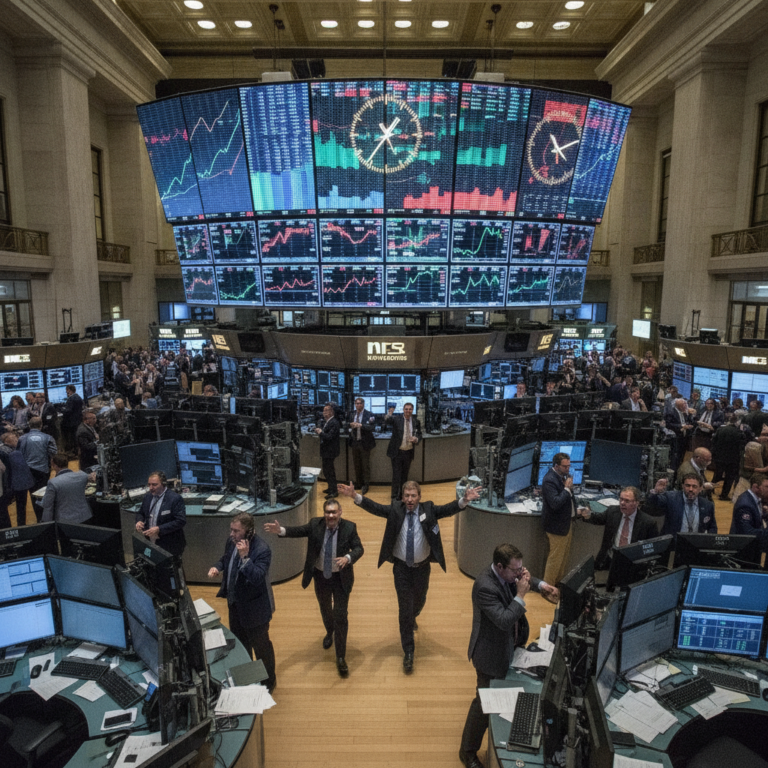
The national labor market showed signs of cooling in June, with payrolls growing more slowly than financial analysts had anticipated. This development has prompted a reevaluation among investors and economists regarding the Federal Reserve’s strategy for interest rates, suggesting that the central bank may hold off on further increases in the immediate future.
The June jobs report, a key indicator of economic health, revealed a moderation in hiring activity across the country. While the specifics of the slowdown are still being analyzed, the general trend points to a less robust job market than seen in previous months. This shift is significant because the Federal Reserve closely monitors employment data when making decisions about monetary policy, particularly the federal funds rate, which influences borrowing costs throughout the economy.
Expectations that the Federal Reserve might maintain current interest rates, or at least delay further hikes, could have varied implications for the Myrtle Beach area. For local businesses, particularly those in the dominant leisure and hospitality sector, stable borrowing costs could provide a more predictable financial environment for investment and expansion. However, a broader national slowdown in job growth could also translate to reduced consumer spending from tourists, a critical component of Myrtle Beach’s economy.
The real estate market in Myrtle Beach, which has experienced significant activity in recent years, is another area that could be influenced by these national trends. Lower or stable interest rates typically make mortgages more affordable, potentially stimulating buyer demand. Conversely, a less robust national job market could lead to more cautious spending and investment, even with favorable borrowing conditions. Developers and construction firms, a vital part of the region’s ongoing growth, would be watching these signals closely.
Local financial institutions and individual borrowers in Myrtle Beach would also feel the effects. Banks might adjust their lending rates for consumer loans, business credit, and mortgages in response to the Federal Reserve’s stance. For residents considering home purchases, refinancing existing loans, or seeking capital for small businesses, the prospect of stable interest rates could offer a degree of financial relief or opportunity. The overall household budget for many in Myrtle Beach is intricately linked to these broader economic forces, affecting everything from credit card rates to savings yields.
### Why it matters in Myrtle Beach
The national economic currents, particularly those related to employment and interest rates, have direct consequences for the local economy of Myrtle Beach. Major employers such as Grand Strand Regional Medical Center, Coastal Carolina University, and the Horry County School District, along with the myriad small businesses that drive the tourism industry, operate within an environment shaped by these federal policies. Stable interest rates could support continued investment in infrastructure and services, potentially benefiting the thousands employed in healthcare, education, and government. However, a sustained national cooling in job growth could also impact the seasonal workforce and overall visitor spending, which are cornerstones of the Myrtle Beach economy. Understanding these broader trends is crucial for planning and resilience across the Grand Strand region.