Myrtle Beach residents are advised to adopt a phased approach to storm preparedness, according to a detailed guide initially published on October 14, 2025, and updated on May 27, 2026. The recommendations span from routine maintenance months before hurricane season to critical actions in the final hours before a storm’s arrival, reflecting the region’s vulnerability to coastal weather events.
The guide advocates for initiating basic preparations two to three months before the typical storm season. This proactive stance is particularly relevant for the Grand Strand, where summer months often bring increased tropical activity. These early steps focus on the exterior integrity of homes and the surrounding property, aiming to minimize potential damage from high winds and heavy rainfall.
Key exterior preparations include a thorough inspection of roofs. For properties across Myrtle Beach, from the historic neighborhoods to newer developments like Grande Dunes, ensuring the roof is sound is paramount. Loose or damaged shingles, compromised flashing, or other vulnerabilities can lead to significant water intrusion and structural issues during a storm. Cleaning gutters and downspouts is another critical early action. Clear drainage systems prevent water from backing up and seeping into eaves, foundations, or basements. The guide specifically recommends directing downspout water five to ten feet away from the foundation, a measure designed to prevent erosion and water accumulation around the home’s base, which can be a particular concern in low-lying areas near the Intracoastal Waterway.
Trimming branches within ten feet of a home or power lines is also highlighted. Overhanging or diseased limbs pose a significant hazard, capable of causing extensive property damage or power outages during strong winds. Securing loose outdoor items, such as patio furniture, grills, and decorative elements, is essential to prevent them from becoming projectiles. Finally, checking the seals and integrity of windows and doors ensures they can withstand wind and rain, preventing breaches that could compromise the entire structure.
Beyond the immediate exterior, the guide delves into subterranean and foundational protections. It recommends grading soil around the home to slope at least six inches over ten feet away from the foundation. This natural gradient helps direct rainwater away, reducing the risk of foundation damage and basement flooding, a common issue in areas with high water tables. Testing sump pumps is crucial, especially for homes with basements or crawl spaces, to ensure they are operational and can effectively remove accumulating water. Identifying vulnerable entry points, such as basement windows or ground-level vents, and checking basement and garage floor drains for blockages are also vital steps to prevent water intrusion.
Assembling emergency supplies for at least 72 hours is a cornerstone of the preparation strategy. This kit should include one gallon of water per person per day, non-perishable food items, flashlights, and a sufficient supply of batteries. First-aid supplies, any necessary medications, and a battery-powered or hand-crank radio are also essential for communication and safety. Phone chargers, a supply of cash, and pet supplies, if applicable, complete the recommended emergency kit, ensuring self-sufficiency if services are disrupted.
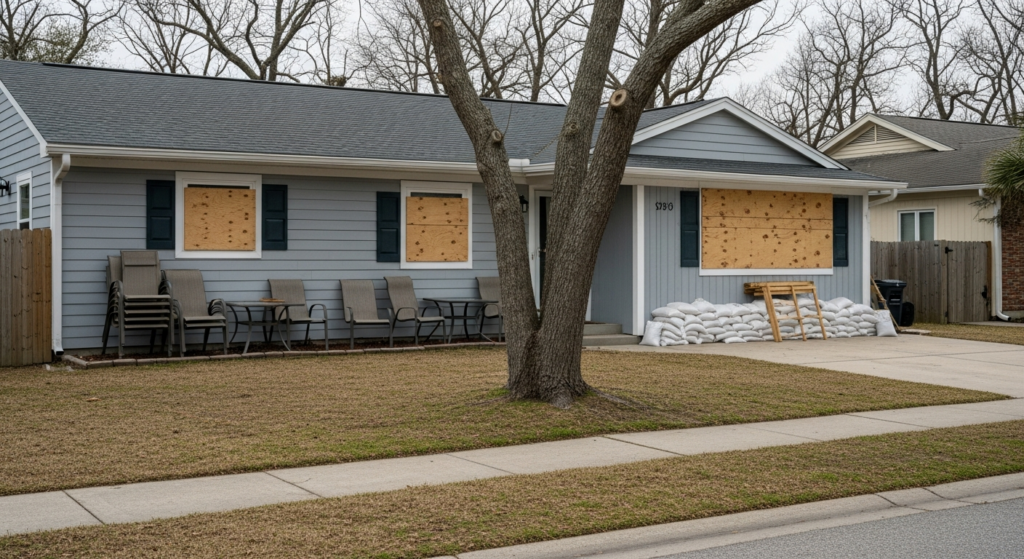
When a storm is specifically forecast, typically three to five days before its anticipated arrival, the guide outlines a series of more immediate actions. Bringing all outdoor items inside is a priority to prevent them from becoming hazards. Installing shutters or plywood over windows and glass doors provides an additional layer of protection against wind-borne debris. Placing sandbags around vulnerable entry points, particularly in areas prone to flooding, can help divert water. Filling bathtubs and other containers with water ensures a reserve for washing and sanitation if the municipal water supply is compromised. Charging all electronic devices, filling vehicle fuel tanks, and moving valuables to higher floors are practical steps to safeguard assets and maintain mobility. Documenting the home’s condition with photographs or video before the storm can be invaluable for insurance claims post-event.
The guide also clarifies when professional help is warranted. Significant roof damage, dangerous or diseased trees requiring removal, persistent foundation or water-seepage problems, and the installation or replacement of sump pumps are all situations where professional expertise is recommended. Additionally, any signs of electrical hazards, visible mold, structural damage, or gas leaks should prompt immediate professional intervention. Post-storm, downed power lines, active water intrusion, and sewage backups are critical situations that demand professional assessment and repair to ensure safety and prevent further damage.
Why it matters in Myrtle Beach
The comprehensive storm preparation guide is particularly relevant for Myrtle Beach, a coastal community frequently in the path of tropical systems. The recommendations directly address vulnerabilities inherent to the region, from the potential for storm surge along the Atlantic Ocean and Intracoastal Waterway to inland flooding affecting neighborhoods like Carolina Forest and Forestbrook. Proactive measures outlined in the guide can significantly reduce the burden on local emergency services, including those managed by the City of Myrtle Beach and Horry County Government, allowing them to focus on critical rescue and recovery efforts. Adhering to these guidelines helps safeguard individual properties and contributes to the overall resilience of the Grand Strand community, minimizing economic disruption and ensuring a faster recovery after severe weather events. The guide serves as a practical resource for residents to protect their investments and ensure personal safety during the summer storm season.