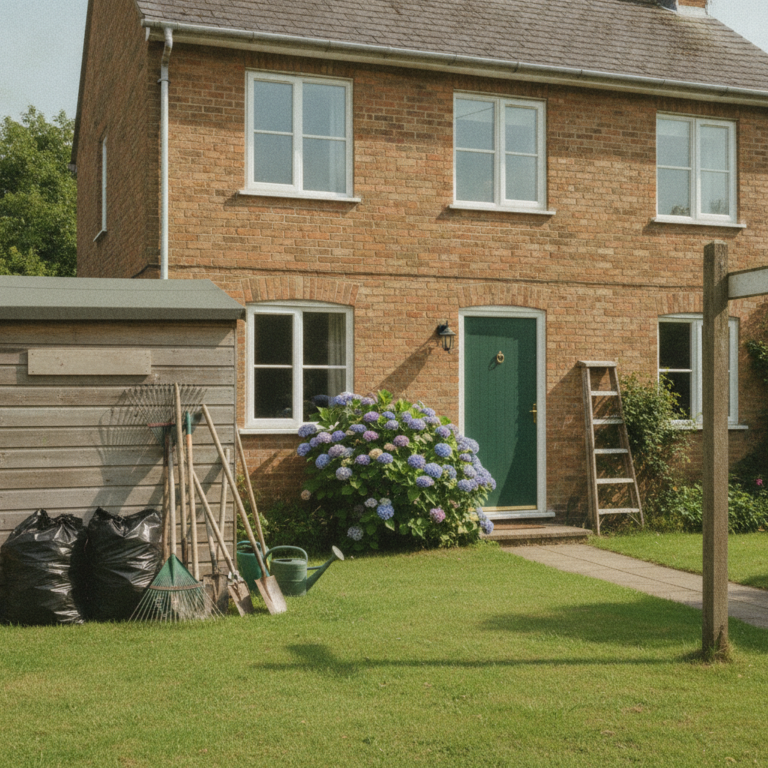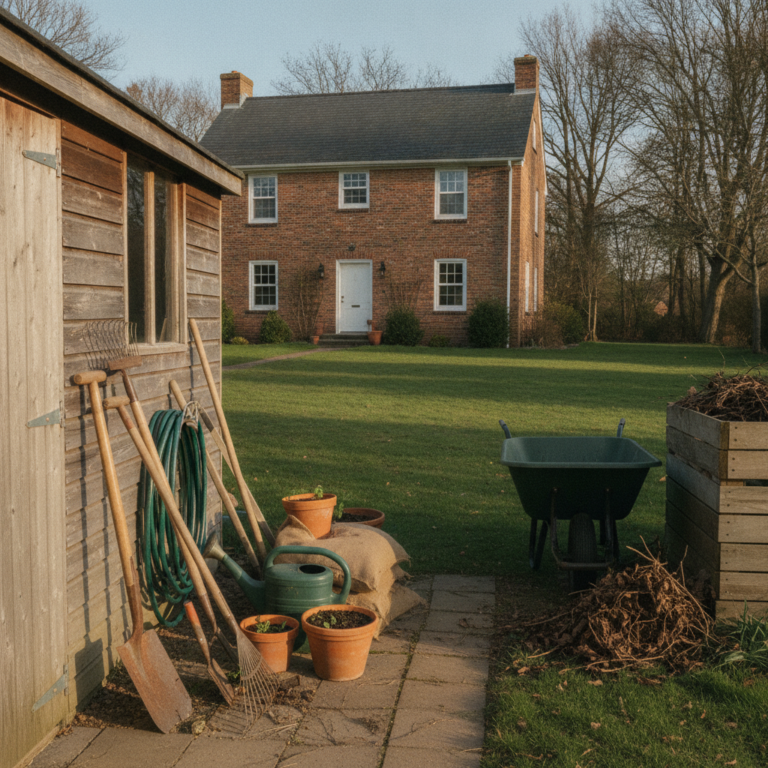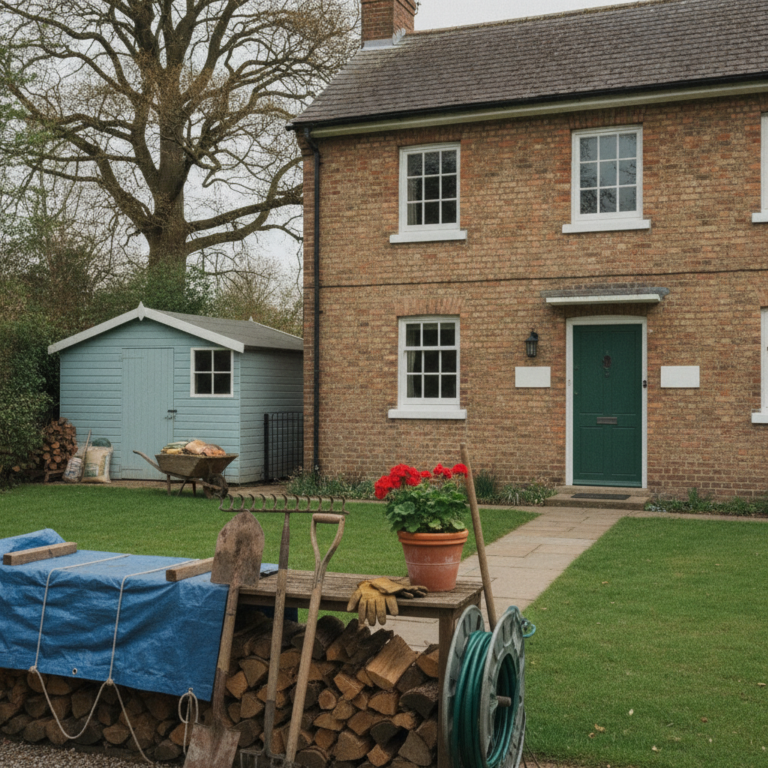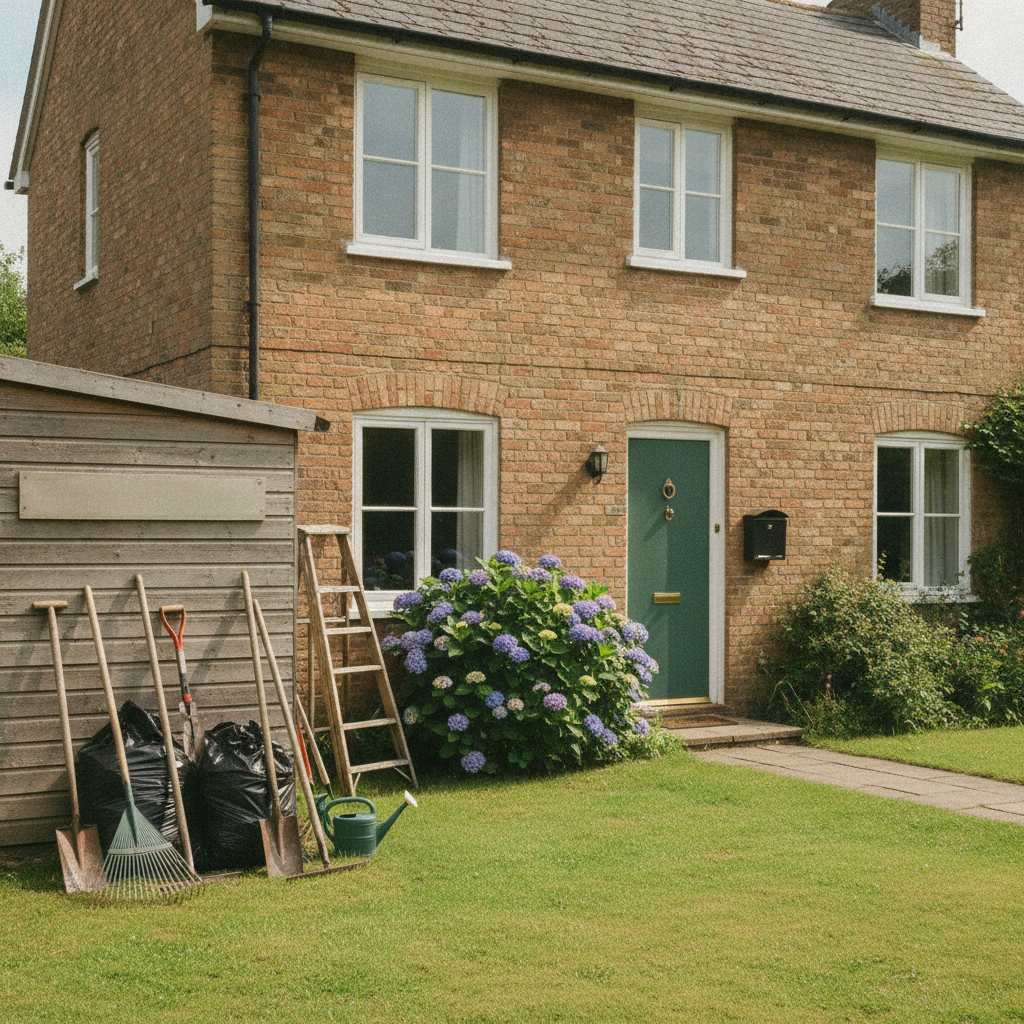
Maintaining a home through the summer months in Myrtle Beach requires attention to a range of tasks, from ensuring indoor comfort to preserving exterior integrity and managing outdoor spaces. A detailed checklist provides homeowners with a structured approach to these seasonal demands, covering critical areas such as air conditioning, plumbing, landscaping, and pool care.
Indoor environments are a primary focus during the warmer months. Central to this is the air-conditioning system, which operates extensively in the humid climate of Myrtle Beach. The checklist advises changing air-conditioning filters at least every 90 days, or monthly for households with allergy sufferers, to maintain air quality and system efficiency. Complementary tasks include cleaning vents, air ducts, and exhaust fans, which can accumulate dust and allergens. To optimize cooling, ceiling fans should be reversed to rotate counterclockwise, pushing cool air down. Replacing heavy winter bedding with lighter linen or cotton materials and checking window treatments to ensure they effectively block sunlight are also recommended for energy conservation and comfort. Medium-colored drapes with white plastic backing, for instance, can reduce heat gains by 33%.
Plumbing fixtures throughout the home warrant inspection for leaks, which can lead to water damage and increased utility bills. Kitchen appliances also require attention; cleaning refrigerator and freezer coils improves their efficiency and extends their lifespan. A critical, often overlooked task is vacuuming the dryer vent annually, a measure that significantly reduces the risk of house fires caused by lint buildup. Finally, given the region’s humidity, checking for mold in damp areas like bathrooms, basements, and utility closets is essential for indoor air quality and structural health.
Exterior maintenance is equally vital for protecting a home from the elements. The checklist suggests inspecting siding for damage, followed by power-washing to remove accumulated grime and mildew. Touching up exterior paint not only enhances curb appeal but also provides a protective barrier. Windows should be washed and weatherproofed to prevent drafts and moisture intrusion. Regular gutter cleaning is crucial to ensure proper drainage and prevent water from backing up and damaging the roof or foundation. The foundation itself requires careful inspection for cracks and leaks, which can contribute to flooding and higher radon levels, posing both structural and health risks.
Servicing the AC unit professionally is a key exterior task, ensuring it operates efficiently throughout the summer. An HVAC tune-up typically costs between $75 and $200. Outdoor living spaces also need attention: cleaning outdoor furniture, resealing patios or decks, and repairing cracks in driveways and walkways preserve their condition and safety. Inspecting fencing for damage and making minor exterior repairs, such as mending loose shingles or patching small holes, prevent more significant issues from developing. Homeowners are also advised to relocate paint, chemicals, and solvents from hot garages to a stable, moderate-temperature storage place to prevent degradation and potential hazards.
Landscaping tasks are integral to maintaining a property’s appearance and health. This includes removing winter-damaged plants and lawn debris. When mowing and edging, setting the mower on its highest setting promotes healthier grass growth and helps the lawn retain moisture. Watering plants every three to four days, or more frequently during heat waves, is generally recommended, with sprinklers adjusted to provide 1 to 1.5 inches of water per week. Watering at dawn minimizes evaporation and allows water to penetrate the soil effectively. Pruning plants and shrubs, weeding garden beds, and deadheading flowers encourage new growth and a vibrant landscape. Finally, a thorough inspection for common summer pests like termites, mosquitoes, ants, and silverfish helps prevent infestations.
For homes with pools, the checklist provides detailed opening procedures. A pool should be opened when the outside temperature consistently remains above 70 degrees Fahrenheit during the day. The process begins with removing and storing the pool cover, followed by cleaning the surrounding deck. Winter guards and plugs must be removed, and filters, skimmers, pumps, and drains cleared and cleaned. After reinstalling accessories, the pool should be filled to the middle of the skimmer. Preparing the pump, filter, and heater for operation and then turning on the pump initiates circulation. Removing debris, vacuuming, and scrubbing the pool are essential steps for cleanliness.
Once the physical cleaning is complete, chemical balancing is paramount. This involves adding opening chemicals and pool shock, then testing and balancing pH, alkalinity, calcium hardness, cyanuric acid, and chlorine levels. The pool should run for 24 hours to allow chemicals to circulate and stabilize, after which the water is retested, and additional chemicals are added if necessary to achieve optimal balance.
Beyond DIY tasks, professional inspections can offer peace of mind. A comprehensive home inspection, costing an average of $350 (with a typical range of $300 to $425), can evaluate major appliances, electrical systems, plumbing, HVAC systems, and the foundation. These inspections can identify potential issues that might be missed by the untrained eye, providing a detailed assessment of the home’s condition.
Why it matters in Myrtle Beach
The rigorous demands of summer weather in Myrtle Beach, characterized by high temperatures and humidity, underscore the importance of proactive home maintenance. Neglecting these tasks can lead to significant issues, from escalating utility bills due to inefficient HVAC systems to structural damage from unaddressed foundation cracks or pest infestations. For institutions like the Horry County School District, which manages numerous facilities, or residents in neighborhoods such as Grande Dunes and The Market Common, ensuring properties are well-maintained protects investments and contributes to the overall health and safety of the community. Adhering to a comprehensive maintenance schedule helps mitigate the unique challenges posed by the coastal environment, preserving property values and preventing costly emergency repairs for homeowners across Myrtle Beach.