As summer fishing activity continues to draw anglers to the Atlantic Ocean, the Intracoastal Waterway, and various local fishing spots, a comprehensive guide has been released detailing essential safety measures. The resource addresses the heightened risks associated with prolonged exposure to sun and heat, common during the warmer months in Myrtle Beach.
One of the primary concerns highlighted is sun exposure, particularly between 10 AM and 4 PM when the sun’s ultraviolet (UV) rays are strongest. The guide notes that water surfaces can reflect up to 15% of UV radiation, significantly increasing an angler’s exposure. To counter this, broad-spectrum sunscreen with an SPF of at least 30 is recommended, with SPF 50 or higher preferred for extended periods on the water. It advises applying sunscreen 30 minutes before going outdoors and reapplying every two hours, or more frequently if sweating or splashing occurs.
Protective clothing and accessories are also critical. Anglers are encouraged to wear lightweight, long-sleeved UPF-rated clothing and light-colored garments that reflect sunlight rather than absorb it. A wide-brimmed hat, offering at least four inches of coverage, and polarized sunglasses with 100% UV protection are essential to shield the face, neck, and eyes from harmful rays. For those fishing from boats or in areas with limited natural shade, structures like bimini tops or portable canopies can provide crucial relief from direct sun.
Hydration is another cornerstone of summer safety. The guide recommends consuming at least eight ounces of water every 15 to 20 minutes during active fishing. It also suggests beginning hydration the night before a fishing trip to ensure the body is adequately prepared. Beverages high in caffeine or alcohol are to be avoided, as they can contribute to dehydration. For boat fishing, a critical emergency provision is at least one gallon of water per person per day.
Recognizing the signs of dehydration is vital. Early indicators include thirst, dry mouth, decreased urination, and fatigue. More severe signs, such as dizziness, a rapid heartbeat, and confusion, signal a more serious condition requiring immediate attention. Carrying electrolyte packets can help replenish essential minerals lost through sweating.
Heat-related illnesses pose significant dangers. Heat exhaustion manifests through heavy sweating, weakness, nausea, headaches, and muscle cramps. If these symptoms appear, the affected individual should be moved to a shaded area, have excess clothing removed, and be cooled with water. If conscious and able to swallow, they should be given cool fluids. Heat stroke, a more severe and life-threatening condition, is characterized by a body temperature above 103°F, an altered mental state, hot and dry skin, a rapid pulse, and potential unconsciousness. In such cases, an immediate call to 911 is necessary, followed by aggressive cooling measures while awaiting emergency services. Cooling towels, portable fans, instant cold packs, and a thermometer are recommended supplies for managing heat-related incidents.
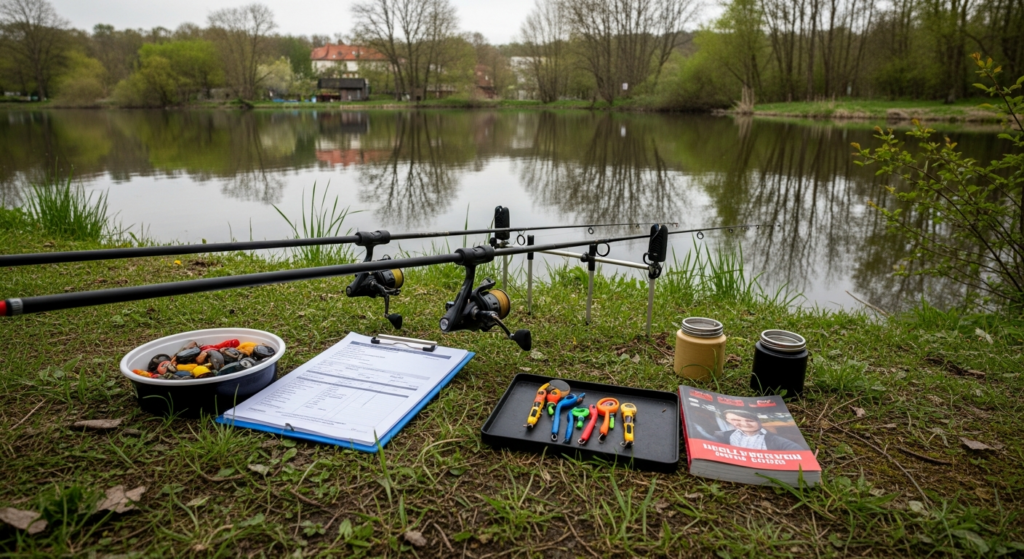
Beyond personal safety, the summer heat and UV exposure can also impact fishing gear. Prolonged exposure can weaken rod guides, degrade fishing line, and warp tackle boxes. The guide advises keeping equipment shaded whenever possible and inspecting fishing line more frequently for signs of wear. Proper storage of hooks in organized tackle boxes is also emphasized to prevent injuries.
Emergency preparedness extends to trip planning. Anglers are advised to inform someone of their fishing location and expected return time. Carrying a charged cell phone in a waterproof case is essential, and for those venturing into remote areas, a personal locator beacon should be considered. Knowing the location of nearby medical facilities and having emergency contacts readily available are also critical steps.
For those fishing in urban areas of Myrtle Beach, such as along the Intracoastal Waterway near developed sections, additional cooling considerations are necessary due to limited natural shade and the heat reflected by concrete and asphalt surfaces. Saltwater anglers, prevalent in the Myrtle Beach area, are also reminded to rinse their skin and gear with fresh water after exposure to saltwater to prevent irritation and equipment corrosion.
Why it matters in Myrtle Beach
These guidelines are particularly pertinent for Myrtle Beach, a community deeply connected to its coastal environment and the recreational opportunities it offers. With the Atlantic Ocean and the Intracoastal Waterway serving as major attractions for both residents and visitors, fishing is a popular pastime throughout the summer. Adhering to these safety protocols can significantly reduce the strain on local emergency services, including the City of Myrtle Beach Police Department and Grand Strand Regional Medical Center, by preventing avoidable heat-related incidents and injuries. Ensuring a safe fishing experience allows more people to enjoy the natural beauty and resources of the Grand Strand responsibly, preserving the well-being of individuals and the community’s capacity to respond to genuine emergencies.