Homeowners in Myrtle Beach are encouraged to review a comprehensive summer maintenance checklist designed to enhance safety, prevent property damage, and prepare residences for the ongoing demands of the season. The recommendations span outdoor activities, structural integrity, and indoor environmental control, aiming to mitigate common risks associated with the warmer months.
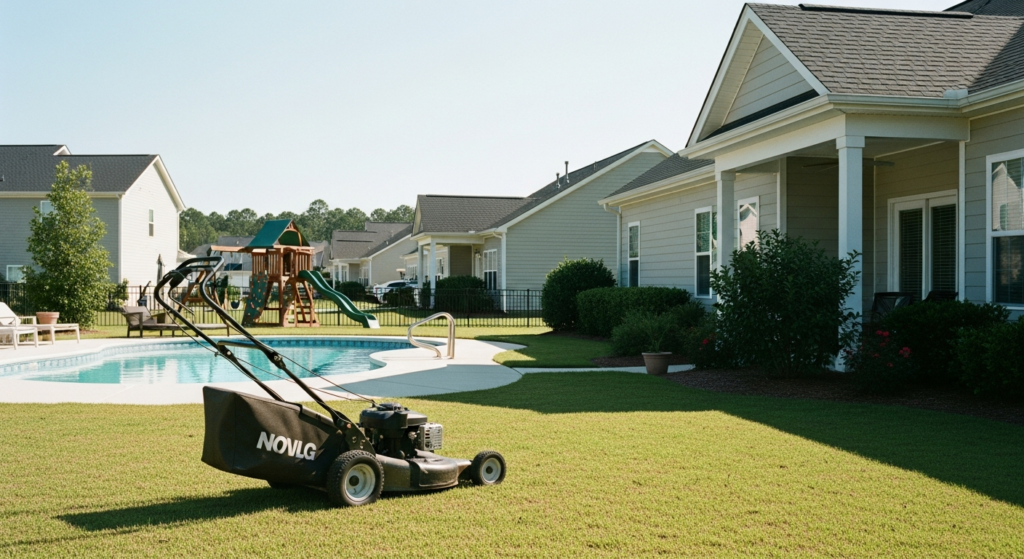
Lawn and gardening equipment, while essential for property upkeep, poses significant safety hazards if not handled correctly. National data indicates that nearly 320,000 individuals annually seek emergency medical care for injuries related to such equipment. The checklist advises strict adherence to manufacturer instructions, the consistent use of appropriate safety gear, and vigilance regarding one’s surroundings. Taking frequent breaks, particularly during the peak heat of a Myrtle Beach summer day, is also crucial to prevent heat-related illness and maintain focus.
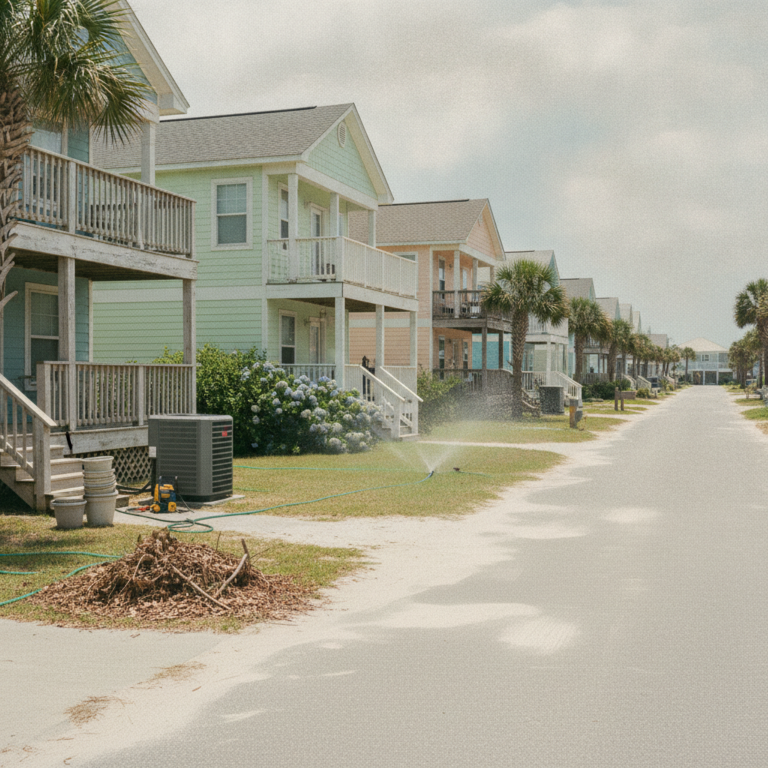
Exterior water management is another critical area, particularly in a coastal environment where heavy rains and high humidity are common. Proper soil grading around a home is fundamental to preventing water intrusion and foundation issues. Experts recommend ensuring that soil slopes gently away from the residence, declining at a slight angle within the first 10 feet of the foundation. This directs rainwater away from the structure, reducing the risk of pooling and subsequent damage. Additionally, homeowners should regularly remove standing water from buckets, plant pots, and other low-lying areas, which can become breeding grounds for mosquitoes and other pests.
Pool maintenance is a recurring task for many in Myrtle Beach. The checklist highlights the importance of routine cleaning of filters and clearing debris from pump-filter baskets. Detecting leaks early can prevent significant water loss and structural damage; about one in 20 pools has a detectable leak. A simple test involves placing a five-gallon bucket filled with water on a pool step, marking the water level inside and outside the bucket, and checking it after 24 hours. If the pool’s water level drops more than the bucket’s, a leak is likely present.
Playset safety is paramount for families with children. Approximately 50,000 children are treated in emergency rooms each year for playground-related injuries, with falls accounting for about 80 percent of these incidents. Regular inspection of playsets is advised, including tightening nuts and bolts on swing sets, oiling moving parts as needed, and checking protective caps and plugs for wear. Any warped, cracked, or deteriorated components, such as swing seats, ropes, or structural elements, should be replaced promptly. Furthermore, inspecting trees near playsets and pools for dangerous or overhanging limbs is a proactive step to prevent accidents.
Beyond playsets, general exterior maintenance includes cleaning gutters and downspouts regularly, and rechecking them after rainstorms to ensure proper drainage. Roofs should be inspected for damaged shingles or signs of water leaks, which can lead to extensive interior damage if left unaddressed. Pressure-washing mold and mildew not only improves curb appeal but also prevents deterioration of exterior surfaces. Chipped paint or rotted wood on siding, trim, or decks should be repaired to protect the home’s structural integrity and appearance.
Grill safety is a key consideration for outdoor cooking. Gas, electric, and charcoal grills should be positioned at least three feet away from children and pets, as well as from homes, deck railings, and tree branches. Grills must be supervised at all times while in use, cleaned before each cooking session, and have grease traps emptied regularly to prevent flare-ups and fires.
For those enjoying fire pits or campfires, specific precautions are necessary. Always keep a hose or a five-gallon bucket of water nearby to extinguish embers quickly. Fires should never be left unattended and must be fully extinguished before leaving the area. Limiting fires to three feet in diameter and two feet in height, using a stone- or brick-confined fireplace with a screen, and clearing all flammable materials and leaves from the surrounding yard are essential steps to prevent uncontrolled burns.
Indoors, securing and locking garages and removing valuables from vehicles parked within them can deter theft. Maintaining indoor humidity levels between 30% and 60% is crucial for comfort and to prevent mold growth and damage to furnishings. A hygrometer can monitor humidity, and a dehumidifier can be used if levels consistently exceed the recommended range. Finally, arranging for an inspection of air-conditioning systems or window units by a licensed HVAC technician before the hottest stretches of summer ensures efficient operation and prevents unexpected breakdowns.
Why it matters in Myrtle Beach
The diligent application of these maintenance guidelines holds particular relevance for Myrtle Beach, a community heavily invested in its residential and tourism infrastructure. The high humidity and frequent summer storms characteristic of the Grand Strand region can accelerate wear and tear on properties, making proactive maintenance critical for preserving home values and preventing costly repairs. For institutions like Grand Strand Regional Medical Center, a reduction in preventable injuries from lawn equipment or playset accidents means fewer demands on emergency services. Furthermore, well-maintained properties contribute to the overall aesthetic and appeal of neighborhoods such as Grande Dunes and The Market Common, reinforcing Myrtle Beach’s reputation as a desirable place to live and visit. The City of Myrtle Beach also benefits from a community that prioritizes safety and property upkeep, reducing strain on public services and enhancing the quality of life for all residents.