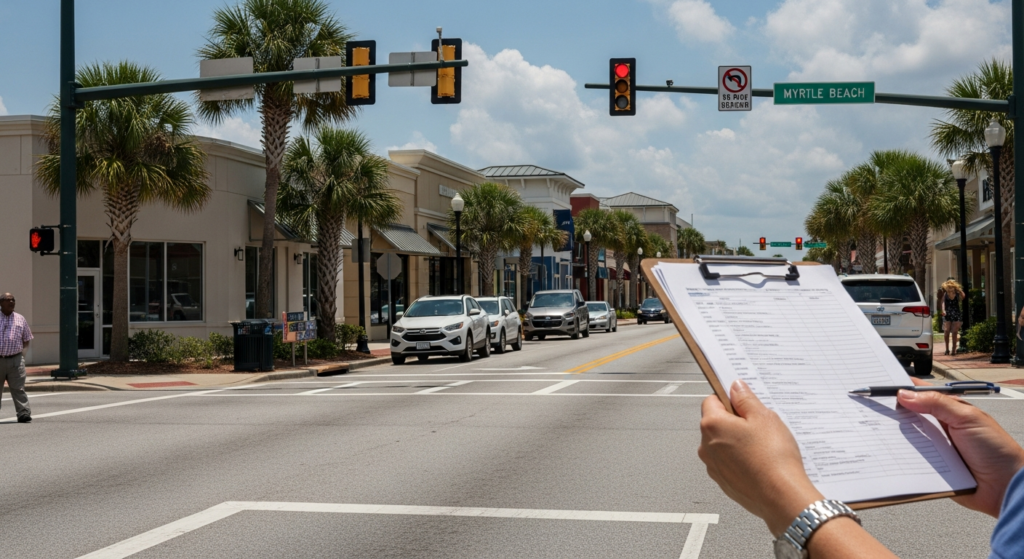
Myrtle Beach, like many coastal communities, experiences sustained periods of high temperatures and humidity during the summer months, making awareness of extreme heat safety guidance particularly relevant. Health officials emphasize that extreme heat events, characterized by several days much hotter than average, are a leading cause of weather-related fatalities, a risk exacerbated by ongoing climate trends.
Preparation is a cornerstone of mitigating heat-related risks. Emergency preparedness kits, often referred to as Go-Kits and Stay-at-Home Kits, are recommended. A Go-Kit should contain at least three days’ worth of portable supplies, while a Stay-at-Home Kit should be stocked with at least two weeks’ worth of provisions. Essential items for these kits include a minimum of one gallon of drinking water per person per day, non-perishable food, and a month’s supply of any necessary medications and medical supplies. Sunscreen, wide-brimmed hats, backup batteries, and chargers for electronic devices are also crucial additions.
Hydration is paramount during extreme heat. The general recommendation is to consume approximately three-quarters of a gallon of water daily. It is advised to avoid sugary, caffeinated, and alcoholic beverages, which can contribute to dehydration. For individuals engaged in heavy sweating, combining water intake with snacks or a sports drink can help replenish electrolytes. Those with pre-existing medical conditions or who are taking specific medications should consult their healthcare provider regarding appropriate hydration strategies, as individual needs can vary.
During periods of extreme heat, minimizing exposure to direct sunlight and high temperatures is critical. Spending as much time as possible in air-conditioned environments is highly recommended. For those without access to consistent air conditioning, predetermined cool locations such as public libraries or shopping malls can serve as temporary cooling centers. Wearing lightweight, loose-fitting clothing and taking cool showers or baths can also help regulate body temperature. Outdoor activities, including necessary work, should be limited and, if unavoidable, scheduled for the cooler parts of the day, typically early morning or late evening.
Certain populations face a heightened risk of heat illness. This includes older adults, infants, young children, and pregnant women, whose bodies may be less efficient at regulating temperature. Individuals with chronic medical conditions, such as heart disease or diabetes, are also particularly vulnerable. Outdoor workers, a significant demographic in Myrtle Beach’s construction and hospitality sectors, are at increased risk due to prolonged exposure. Furthermore, individuals with limited personal resources or those residing in areas lacking green spaces, which can contribute to urban heat island effects, may experience greater challenges in staying cool and safe.
Heat-related illnesses manifest in various forms, ranging from mild to life-threatening. Heat cramps, often the first sign of heat stress, involve heavy sweating accompanied by muscle pain or spasms. If experiencing heat cramps, individuals should move to a cool place and drink water or a sports drink. Medical attention is advised if cramps persist for more than one hour or if the affected person has a heart condition.
Heat exhaustion represents a more severe stage of heat illness. Symptoms include heavy sweating, cold, pale, and clammy skin, a fast but weak pulse, nausea or vomiting, muscle cramps, general weakness, dizziness, headache, or fainting. If these symptoms occur, the individual should be moved to a cool place, loosened clothing, and given sips of water. If symptoms worsen or last longer than an hour, or if the person begins to vomit, immediate medical help should be sought.
The most severe and life-threatening form of heat illness is heat stroke. This condition is characterized by a body temperature of 104°F or higher. Other critical symptoms include hot, red, and dry or moist skin, a rapid and strong pulse, confusion, slurred speech, and loss of consciousness. Heat stroke is a medical emergency requiring immediate action. Call 911 without delay. While waiting for emergency services, begin cooling the person’s body using any available methods, such as placing them in a cool bath or shower, spraying them with cool water, or applying cool, wet cloths to the skin. Do not give the person anything to drink.
Why it matters in Myrtle Beach
The detailed guidance on extreme heat safety holds particular significance for Myrtle Beach, a community whose economy and daily life are deeply intertwined with outdoor activities and a substantial seasonal workforce. With major employers like Horry County School District, Coastal Carolina University, and Grand Strand Regional Medical Center, alongside a robust leisure and hospitality industry, a significant portion of the population, including students, faculty, healthcare professionals, and service workers, are either directly exposed to outdoor conditions or serve vulnerable populations. The city’s extensive network of parks, such as Myrtle Beach State Park and Chapin Memorial Park, and its proximity to the Atlantic Ocean, while offering recreational opportunities, also draw people outdoors where heat risks are prevalent. Understanding and implementing these safety measures is crucial for protecting residents, visitors, and the vital workforce that sustains the Myrtle Beach economy, especially during the peak summer months when temperatures consistently challenge public health.