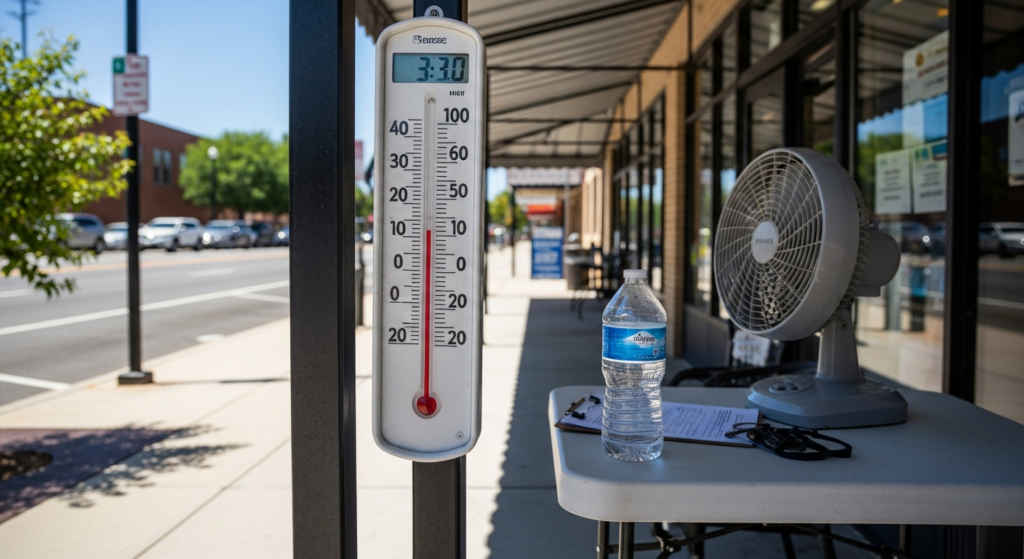
More than 160 million people across the central and eastern United States are under extreme heat warnings or advisories this week, as a historic heat wave settles over much of the country ahead of the Fourth of July holiday weekend. Real-feel temperatures are projected to reach between 100 and 115 degrees across much of the affected region, according to national meteorological reports.
While Myrtle Beach is accustomed to warm and humid conditions during the summer months, the widespread nature of this national heat event underscores the importance of public safety measures for both residents and the significant number of tourists expected to visit the Grand Strand for the holiday.
The city’s primary industry, leisure and hospitality, which employs a seasonal workforce exceeding 100,000, faces particular challenges. Many visitors come to Myrtle Beach for outdoor activities, including spending time on the Atlantic Ocean beaches, exploring Myrtle Beach State Park, or engaging in other recreational pursuits. Prolonged exposure to high temperatures, even with the coastal breeze, can pose health risks.
Local healthcare providers, including Grand Strand Regional Medical Center, Conway Medical Center, and McLeod Seacoast, are preparing for a potential increase in heat-related illnesses. These facilities typically see a rise in emergency room visits during periods of extreme heat, with conditions ranging from heat exhaustion to more severe heatstroke.
The City of Myrtle Beach and Horry County Government are monitoring the situation, with public safety officials emphasizing the need for hydration and seeking shade. The influx of holiday travelers, combined with the elevated temperatures, places additional strain on public services and emergency responders. Businesses throughout the region, from beachfront retail to golf courses, are also adjusting operations to ensure the safety and comfort of their patrons and employees.
The heat wave’s timing, coinciding with one of the busiest weekends of the year for Myrtle Beach, amplifies the need for vigilance. The typical summer conditions are intensified by the broader atmospheric patterns affecting a vast portion of the nation, making the usual precautions even more critical.
### Why it matters in Myrtle Beach
The national heat wave carries direct implications for Myrtle Beach, particularly for its critical leisure and hospitality sector and public health infrastructure. With the Fourth of July weekend drawing a substantial number of visitors, the potential for heat-related emergencies could place significant strain on institutions like Grand Strand Regional Medical Center and the City of Myrtle Beach’s emergency services. The economic vitality of the region, heavily reliant on tourism, could also see impacts if extreme heat deters outdoor activities or leads to cancellations, affecting local businesses and the thousands employed in the hospitality industry during this peak summer period. Ensuring public safety and maintaining essential services become paramount challenges under these conditions.