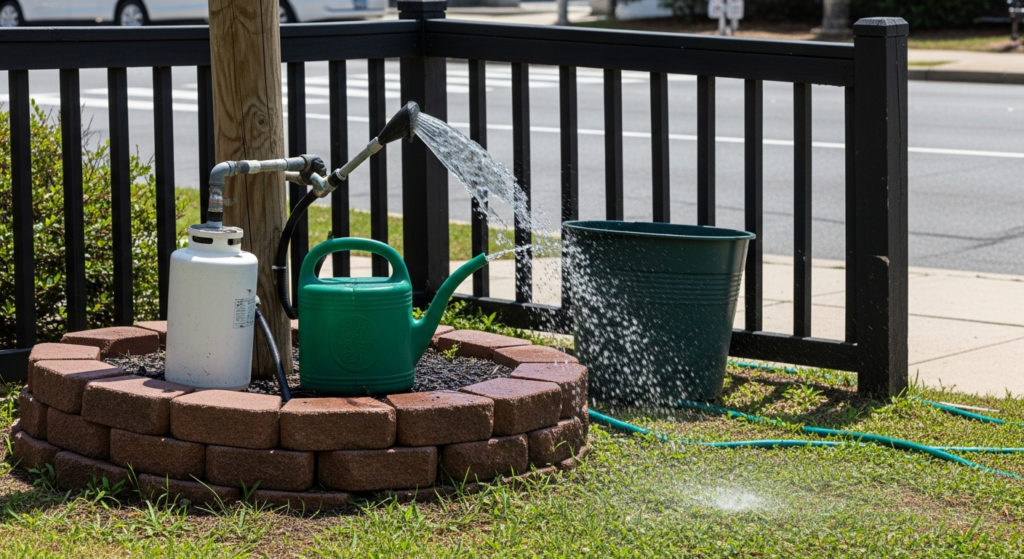
Gardening practices across Myrtle Beach are adapting to the persistent heat of summer, with new guidance focusing on the crucial timing of watering and comprehensive strategies to reduce plant stress. Experts highlight that effective water management is paramount for maintaining healthy landscapes and gardens as temperatures climb.
One of the primary concerns for gardeners is the optimal time to water. Conventional wisdom has sometimes suggested that watering during the hottest parts of the day can scorch leaves, a notion largely dispelled by horticultural science. The real issue with midday watering, however, is inefficiency. When the sun is at its peak, a significant portion of the water applied evaporates before it can penetrate the soil and reach the plant roots. This leads to wasted water and inadequate hydration for plants already struggling with heat.
Instead, the consensus among gardening professionals points to early morning as the most effective time for irrigation. Watering between 5 a.m. and 9 a.m. allows plants to absorb moisture before the intense heat of the day sets in. This timing minimizes evaporation, ensuring that more water reaches the root zone. It also allows foliage to dry before nightfall, which can help prevent the development of fungal diseases that thrive in prolonged damp conditions.
Deep and infrequent watering is another cornerstone of heat-wave gardening. Rather than light, daily sprinklings that only moisten the surface, gardeners are advised to water deeply, allowing moisture to soak several inches into the soil. This encourages plant roots to grow deeper, making them more resilient to dry spells and less dependent on frequent surface watering. For many plants in the sandy soils common to the Grand Strand region, this deep watering approach is particularly beneficial, as water tends to drain quickly.
Plant stress, a direct consequence of high temperatures and insufficient moisture, manifests in several ways. Wilting, yellowing leaves, stunted growth, and premature flower or fruit drop are all indicators that a plant is struggling. Understanding these signs is the first step toward intervention. When plants are stressed, their ability to photosynthesize and grow is severely hampered, making them more susceptible to pests and diseases.
To combat heat stress, several proactive measures can be employed. Mulching is a highly effective strategy. A layer of organic mulch, such as pine straw, shredded bark, or compost, applied around the base of plants helps retain soil moisture by reducing evaporation. It also insulates the soil, keeping root zones cooler during the day and warmer at night, creating a more stable environment for plant growth. Additionally, mulch can suppress weeds, which compete with desirable plants for water and nutrients.
Providing temporary shade for sensitive plants is another valuable technique. Shade cloths or even strategically placed umbrellas can offer relief from direct sun exposure during the hottest hours, particularly for newly planted specimens or varieties known to be less heat-tolerant. For long-term planning, selecting plant varieties that are well-adapted to the Myrtle Beach climate and its specific challenges, including high humidity and intense summer sun, can significantly reduce the need for intensive care during heat waves.
Beyond watering, July gardening guides offer several seasonal tasks to maintain garden health. Monitoring plants closely for signs of pests and diseases is crucial, as stressed plants are often more vulnerable. Prompt identification and treatment can prevent minor issues from escalating. Light pruning, such as deadheading spent flowers, can encourage new blooms and improve plant appearance, but heavy pruning should be avoided during periods of extreme heat, as it can add further stress to the plant. Container gardens, which tend to dry out more quickly than in-ground beds, require diligent monitoring and often more frequent watering.
The unique coastal environment of Myrtle Beach, with its combination of sandy soils, high humidity, and occasional sea breezes, presents specific challenges and opportunities for gardeners. The rapid drainage of sandy soils means that while deep watering is essential, it must be done with an understanding of how quickly water can move through the soil profile. The high humidity can sometimes reduce transpiration rates, but the intense solar radiation still demands careful attention to plant hydration.
### Why it matters in Myrtle Beach
The successful navigation of summer gardening challenges holds particular significance for Myrtle Beach. The city’s aesthetic appeal, critical to its thriving tourism industry, is heavily influenced by its well-maintained public spaces and residential landscapes. From the manicured grounds of The Market Common to the private gardens in neighborhoods like Grande Dunes and Pine Lakes, healthy plant life contributes to the overall quality of life for residents and enhances the visitor experience. Adopting strategic watering and plant care practices ensures that these green spaces remain vibrant and resilient, preserving the city’s natural beauty and supporting property values across Horry County.