
Protests Erupt at Columbia University
Student Pressure Leads to University President’s Resignation
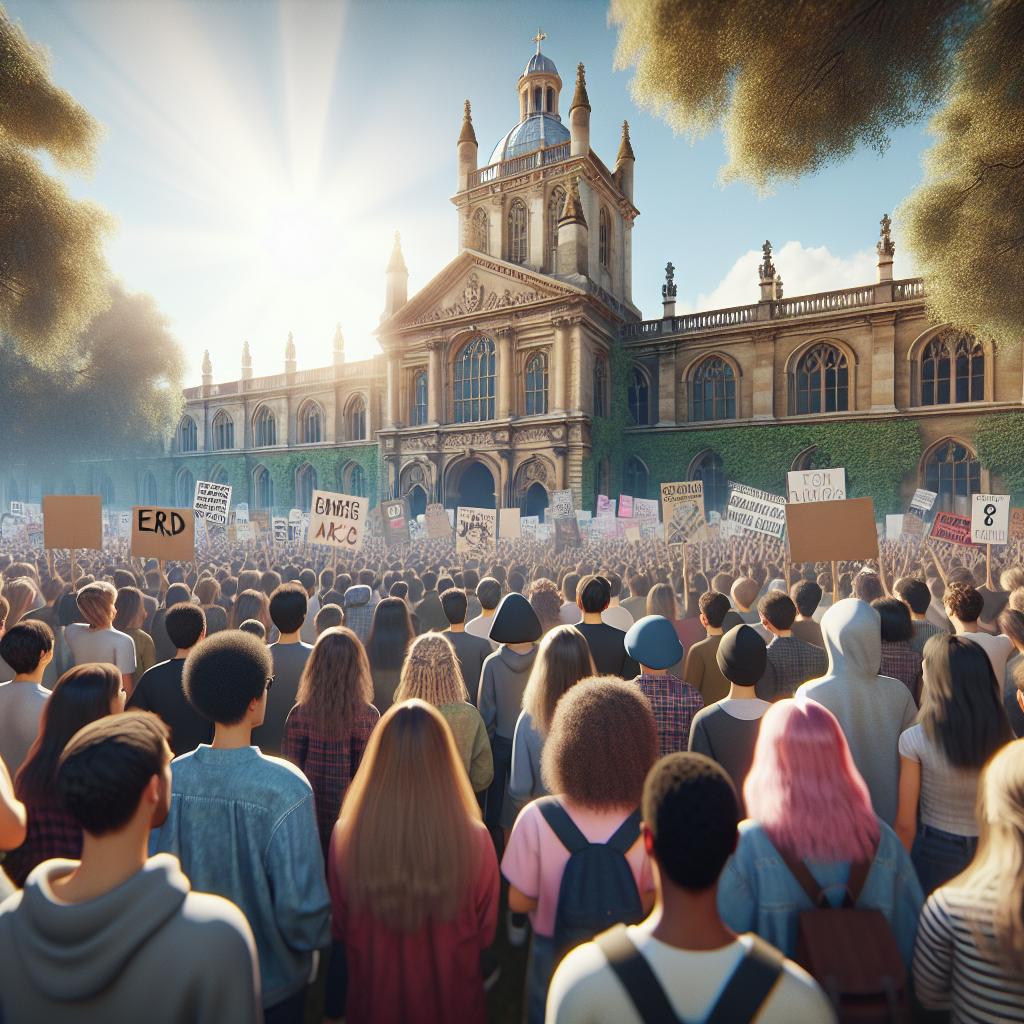
In a shocking turn of events, the president of Columbia University has tendered his resignation in response to intense pressure from student protesters over the Gaza war. The decision follows weeks of escalating tensions and heated confrontations on the prestigious campus, underscoring the far-reaching impact of global political conflicts on U.S. academic institutions.
Rising Tensions on Campus
In recent weeks, protests have become increasingly common on the university’s sprawling campus, centered around the recent Israel-Hamas war. Students, faculty, and staff caught in the middle of these protests have cited increasing concerns about safety and academic freedom.
“The atmosphere has turned toxic,” one anonymous senior admitted. “You can feel it in the classrooms, the dining halls, everywhere. It’s hard to focus on anything else.”
President’s Response to the Protests
Initially, the university president defied protestors’ demands, standing up for the right to freedom of expression and defending the academic cornerstone of a free exchange of ideas. However, the conviction wilted under the weight of increasing public pressure, and the president finally tendered his resignation.
Announcement of Resignation
The president made the announcement of his resignation via an official university notification. “It is with heavy heart that I make this decision, but I believe it is in the best interest of our entire Columbia community,” the outgoing president stated in the letter.
The university’s governing body expressed their regret at the decision but acknowledged and respected the president’s choice, stating that it was ultimately a decision taken in the best interests of the university’s community.
Protesters Triumph
The protesters who spearheaded the demand for the resignation celebrated their victory but also emphasized that the battle was far from over. “This is a significant victory, but it’s merely the first step in making the university a safer space for everyone,” said a representative of the student protesters.
Financial Impact and Future Course of Action
The shock resignation of the university’s helmsman also sparked concerns of economic stability, as the institution is a significant contributor to the local economy and the financial implications of this decision could reverberate beyond the confines of the campus.
Discussions on the university’s future course of action, including potential candidates for the new president, are under deliberations. Guidance on how the university plans to address the divisive issue that led to this dramatic upheaval is expected in the coming days.
Reactions of the University Community
The decision has polarized the university community, which is rife with differing opinions on whether the right course was taken. While some see it as a victory for student activism and free speech, others view it as an unsettling precedent for academic institutions’ autonomy and freedom.
Wrap Up
As the dust settles over this unprecedented event, one thing is clear: This incident is a testament to the increasing influence that student bodies have on academic governance. The power dynamics on university campuses are undergoing a significant transformation and institutions across the country will undoubtedly be watching the situation at Columbia closely.


Author: STAFF HERE MYRTLE BEACH
The HERE Myrtle Beach Staff Writers are a collaborative team of journalists, editors, and local contributors passionate about delivering accurate, timely information to the Myrtle Beach community. As part of the HEREcity.com Network, which powers over 100 U.S. city sites including HEREcolumbia.com, our staff draws on collective experience in South Carolina journalism to cover everything from business sales and real estate developments to dining deals and community initiatives. Our Expertise and Background Local Roots in Myrtle Beach Our team includes lifelong Myrtle Beach residents and SC natives with deep knowledge of the area’s history, economy, and culture. We’ve covered key events like the recent developments along the Grand Strand, Myrtle Beach’s tourism and hospitality industry, and growth in local education sectors (e.g., Coastal Carolina University programs). Collective Experience With over 50 combined years in journalism, our staff has backgrounds in print, digital media, and community reporting. We prioritize fact-based stories, drawing from sources like the Myrtle Beach Area Chamber of Commerce, city government records, and on-the-ground interviews. Commitment to Quality Every article is a group effort, involving research, editing, and verification to ensure reliability. We adhere to journalistic standards, citing credible sources and updating content as new details emerge.