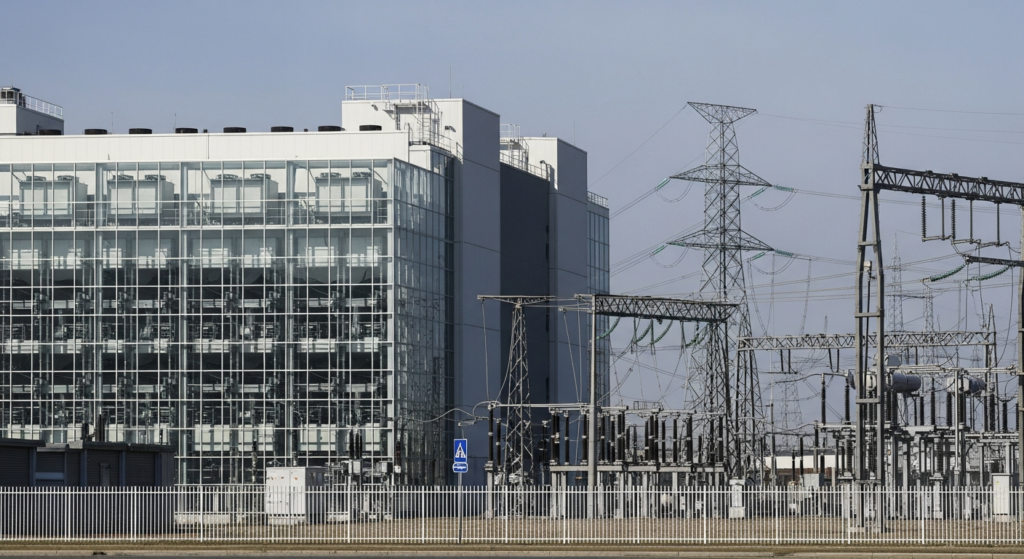
The escalating demand for electricity driven by the rapid expansion of artificial intelligence data centers has placed a renewed focus on power grid capacity and local utility planning across the nation. These facilities, essential for processing the vast amounts of data required by AI applications, consume substantial energy not only for their computational operations but also for the extensive cooling systems necessary to maintain optimal temperatures.
This national trend is reshaping how utilities and local governments approach infrastructure development and economic growth. Businesses seeking to establish new data centers are increasingly prioritizing locations with robust and expandable power grids, making energy availability a critical factor in site selection. This shift has prompted discussions among economic development agencies and local planners about how to balance the potential for high-tech investment with the existing and future energy needs of communities.
For jurisdictions like Myrtle Beach, these broader discussions underscore the importance of proactive planning for utility infrastructure. While specific local projects related to AI data centers have not been announced, the general trajectory of technology demands means that local officials and utility providers are considering how to ensure the region’s power capabilities can support both current residential and commercial needs and any future high-demand industries. The focus is on the long-term implications for zoning, land use, and the potential impact on ratepayer costs as energy demands evolve.
The intersection of technological advancement and energy infrastructure is a growing area of focus for municipalities. As AI technology continues to integrate into various sectors, the foundational requirement for reliable and ample power will remain a central consideration for any community looking to attract and sustain economic development in Myrtle Beach.