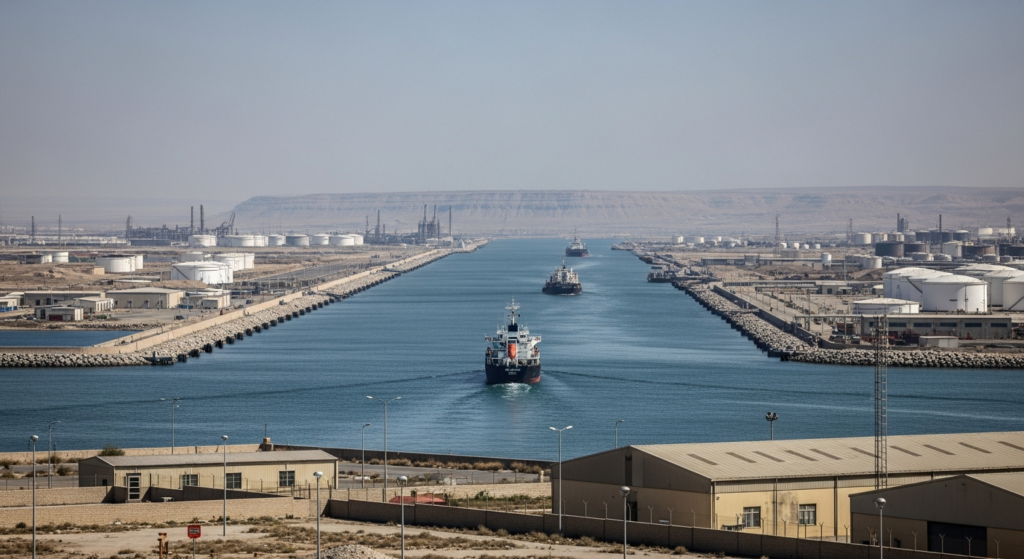
The United States has conducted strikes in Iran, according to international and U.S. reporting. These actions follow a series of attacks on commercial vessels operating near the Strait of Hormuz, a critical global shipping lane. The developments are also connected to the implementation of new sanctions targeting Iran’s oil sector, further escalating tensions in the region.
The Strait of Hormuz is a narrow waterway that serves as a vital chokepoint for a significant portion of the world’s oil supply. Disruptions or heightened risks in this area can lead to volatility in global energy markets. The imposition of additional oil-related sanctions is also expected to contribute to these market shifts.
While the immediate impact on Myrtle Beach remains to be fully assessed, the situation carries potential relevance for the local economy and community. Residents and businesses in Myrtle Beach may observe fluctuations in fuel prices as global oil markets react to the ongoing developments. The city’s reliance on tourism, a sector sensitive to transportation costs, could also feel indirect effects.
The broader logistics network that supports the Grand Strand region, including supply chains for goods and services, could also face heightened shipping risks and associated costs. Furthermore, for military families residing in the Myrtle Beach area, such international developments often bring a period of heightened awareness and concern regarding deployments and the well-being of service members.