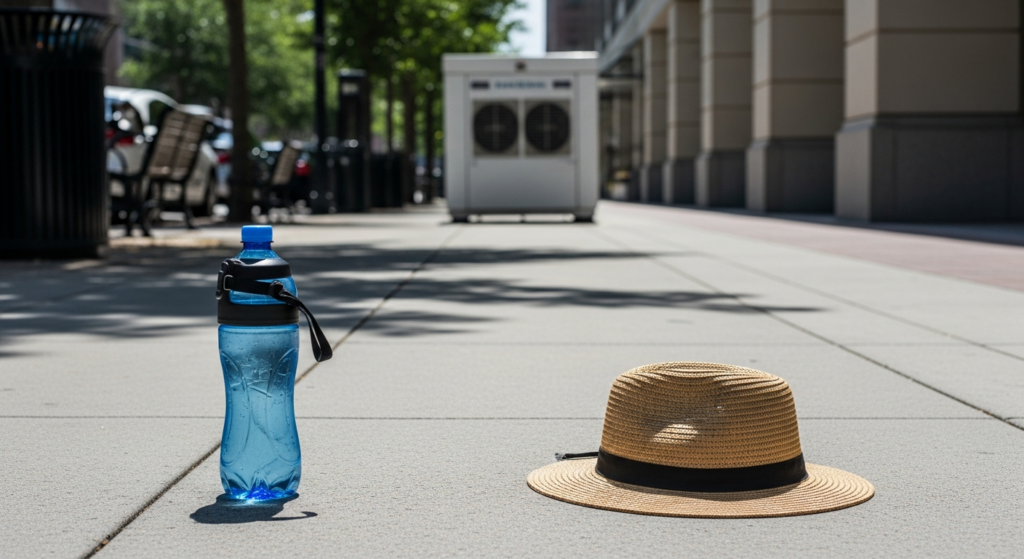
The ongoing July heat pattern in Myrtle Beach underscores the importance of heat safety for individuals engaged in outdoor work, youth sports, travel, and community events. Hydration, seeking shaded areas for errands, and incorporating regular cooling breaks are timely considerations for mitigating risks associated with elevated temperatures.
For residents managing medications or chronic conditions, consulting with qualified health providers about personal risk and preparation during periods of extreme heat is a critical step. Certain medications can affect the body’s ability to regulate temperature, making proactive discussions with medical professionals essential.
The general guidance for heat safety includes recognizing the warning signs of heat illness and implementing practical steps to reduce risk. These measures are particularly relevant during the summer months when outdoor activities are prevalent across the Myrtle Beach area. Planning for travel and community gatherings should also integrate strategies for staying cool and hydrated.
### Why it matters in Myrtle Beach
The sustained summer heat in Myrtle Beach directly impacts daily life and public health infrastructure. Institutions like Grand Strand Regional Medical Center and McLeod Seacoast often see an increase in heat-related emergency visits during peak summer months. For the Horry County School District, planning for youth sports and summer programs must account for extreme temperatures, ensuring adequate hydration and rest protocols are in place for student athletes and participants. The City of Myrtle Beach also faces operational considerations for its outdoor workforce and for managing public spaces like Chapin Memorial Park and Futrell Park, where residents and visitors seek recreation. Adhering to heat safety guidelines helps reduce strain on emergency services and supports the well-being of the entire community.