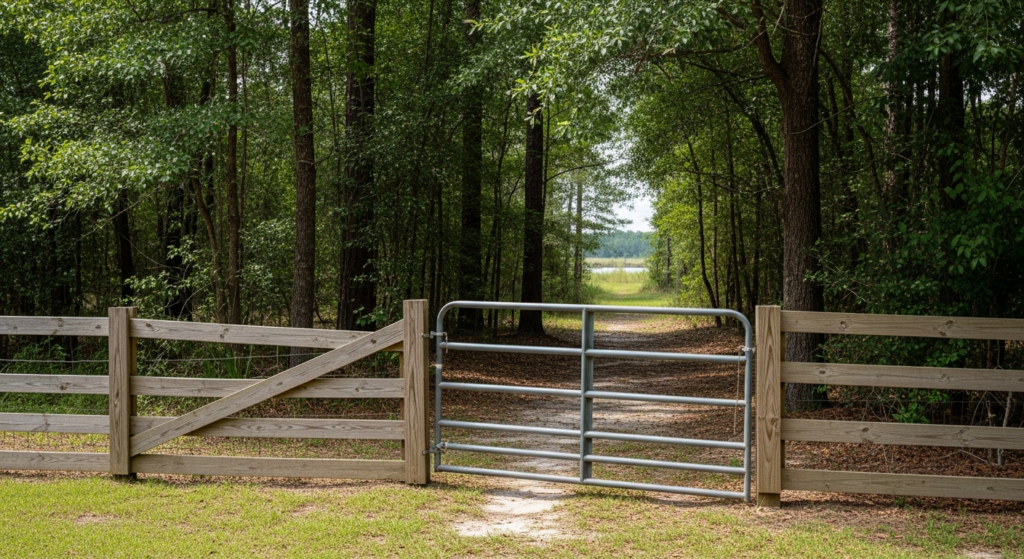
A new OnDemand legal course, titled “Leases, Easements, and Access: Legal Insights for Hunting and Fishing,” is now available, providing attorneys with a detailed examination of the legal instruments governing access to land for recreational purposes. The program is designed to equip legal professionals with the knowledge necessary to navigate the complexities of property rights, particularly as they pertain to hunting and fishing activities on both public and private lands.
The course content spans several critical areas of land access law. Participants will gain an understanding of the distinctions between public and private land access, a fundamental concept in determining the scope of recreational rights. A significant portion of the program focuses on the various legal mechanisms available for securing access, including licenses, leases, and easements. Attorneys will learn how to choose the most appropriate agreement form to meet a client’s specific needs, whether representing a landowner seeking to grant access or a party desiring to obtain it.
Key aspects of the curriculum include the drafting of hunting and fishing licenses, which typically grant revocable, non-transferable permission for a specific use over a short term. The course also dedicates substantial attention to negotiating hunting and fishing leases, exploring the perspectives of both landowners and lessees. Leases, in contrast to licenses, generally provide more secure, exclusive possession for a defined period, often involving formal agreements and monetary consideration. Understanding the clauses and provisions critical to these agreements, such as liability, duration, scope of activities, and renewal options, is central to effective representation.
Furthermore, the program addresses the creation of easements for hunting and fishing access. Easements represent a non-possessory interest in land, granting a right to use another’s property for a specific purpose, such as crossing a parcel to reach a hunting ground or a fishing spot. These agreements are typically more permanent or long-term than licenses or leases and are often recorded, making them a robust tool for securing enduring access rights. The course emphasizes the importance of clear and binding language in all these instruments to prevent future disputes and ensure the stability of access.
Leading the program is Dane E. Ardente, an attorney with a specialized practice in land use and commercial litigation. Mr. Ardente’s expertise encompasses a broad range of legal areas, including municipal law and permitting, property and real-estate disputes, business disputes, and breach-of-contract litigation. His academic background includes a B.A. from the University of Rhode Island and a J.D. from Roger Williams University. He is admitted to practice in Rhode Island, Massachusetts, and the U.S. District Court for the District of Rhode Island, and is a member of both the Rhode Island and Massachusetts bar associations. His extensive experience in navigating complex land-related legal challenges provides a practical foundation for the course material.
The OnDemand format of the course, which includes a downloadable course book, allows legal professionals to complete the program at their convenience. It offers continuing legal education (CLE) credit in numerous jurisdictions across the United States. For example, attorneys in Alaska, Arizona, California, Connecticut, Delaware, Hawaii, Minnesota, New Mexico, Oklahoma, Pennsylvania, Tennessee, and Vermont can earn 1 total credit through March 24, 2027. Other states, such as Colorado and Georgia, offer 1 credit through December 31, 2027 and 2026, respectively. Idaho and Washington provide 1 credit through March 24, 2030, while Florida offers 1 credit through September 30, 2026. Notably, South Carolina is not listed among the jurisdictions offering direct CLE credit for this specific program.
For legal practitioners in Myrtle Beach and the broader Horry County area, the principles discussed in this course hold particular relevance. The Grand Strand region, known for its rapid development and significant natural resources, presents a dynamic landscape where land use issues are frequently at the forefront. The balance between expanding residential and commercial areas, and preserving access for recreational activities like hunting and fishing, often leads to complex legal challenges.
Attorneys representing landowners, developers, or recreational enthusiasts in Myrtle Beach frequently encounter questions related to property boundaries, trespass, and the establishment of formal access agreements. The Waccamaw River, the Intracoastal Waterway, and various state parks like Myrtle Beach State Park and Huntington Beach State Park, provide significant opportunities for outdoor recreation. However, the increasing population and ongoing construction in areas like Carolina Forest and Grande Dunes mean that undeveloped land is often subject to competing interests, making robust legal agreements for access more crucial than ever.
Why it matters in Myrtle Beach
This OnDemand legal course offers valuable insights for attorneys practicing in Myrtle Beach, particularly given the ongoing development and land use pressures across Horry County. As the county continues to experience significant growth, the legal frameworks governing land access for hunting and fishing become increasingly vital for both private landowners and those seeking recreational opportunities. Understanding the nuances of licenses, leases, and easements is critical for legal professionals advising clients on property rights and land management. The expertise shared in this program can help local attorneys better navigate disputes, draft clearer agreements, and ensure the careful stewardship of land resources, impacting how Horry County Government manages public access and how private property owners utilize their land amidst evolving regional development patterns.