A comprehensive guide released for aspiring hunters outlines key steps for preparing for the 2026 hunting season, emphasizing education, legal compliance, and safety for those in the Myrtle Beach region. The resource details the foundational requirements and practical considerations necessary for new participants to engage in hunting responsibly and ethically.
Central to becoming a legal hunter is completing a state-approved hunter education course. These courses are designed to instill a deep understanding of firearm or archery safety, principles of fair chase, wildlife identification, and safe zones of fire. Participants also learn essential survival skills, basic first aid, and specific local regulations. The guide notes that these educational programs are typically offered in several formats: traditional classroom instruction complemented by a field day, online coursework followed by an in-person field day, or, in some states, fully online coursework tailored for adult learners. Securing this certification is a prerequisite for obtaining a hunting license in most jurisdictions, including South Carolina.
Beyond education, new hunters must navigate the specific legal requirements for licenses and species tags. These regulations are highly variable, changing based on the state, the specific game management unit, the species being hunted, the type of weapon used, and sometimes even the animal’s sex or age. The guide advises confirming current state regulations, as relying on outdated information can lead to infractions. While some high-demand hunts may necessitate lottery applications, other tags might be readily available over the counter. Hunters must also secure legal access to hunting grounds, whether through written or electronic permission for private land or by understanding and adhering to the restrictions and boundaries of public lands.
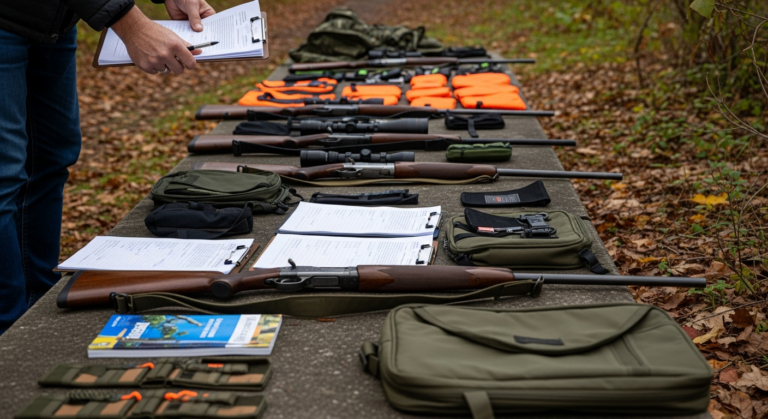
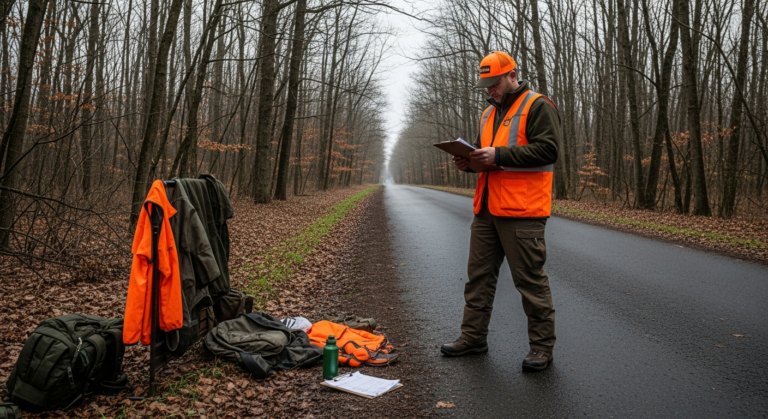
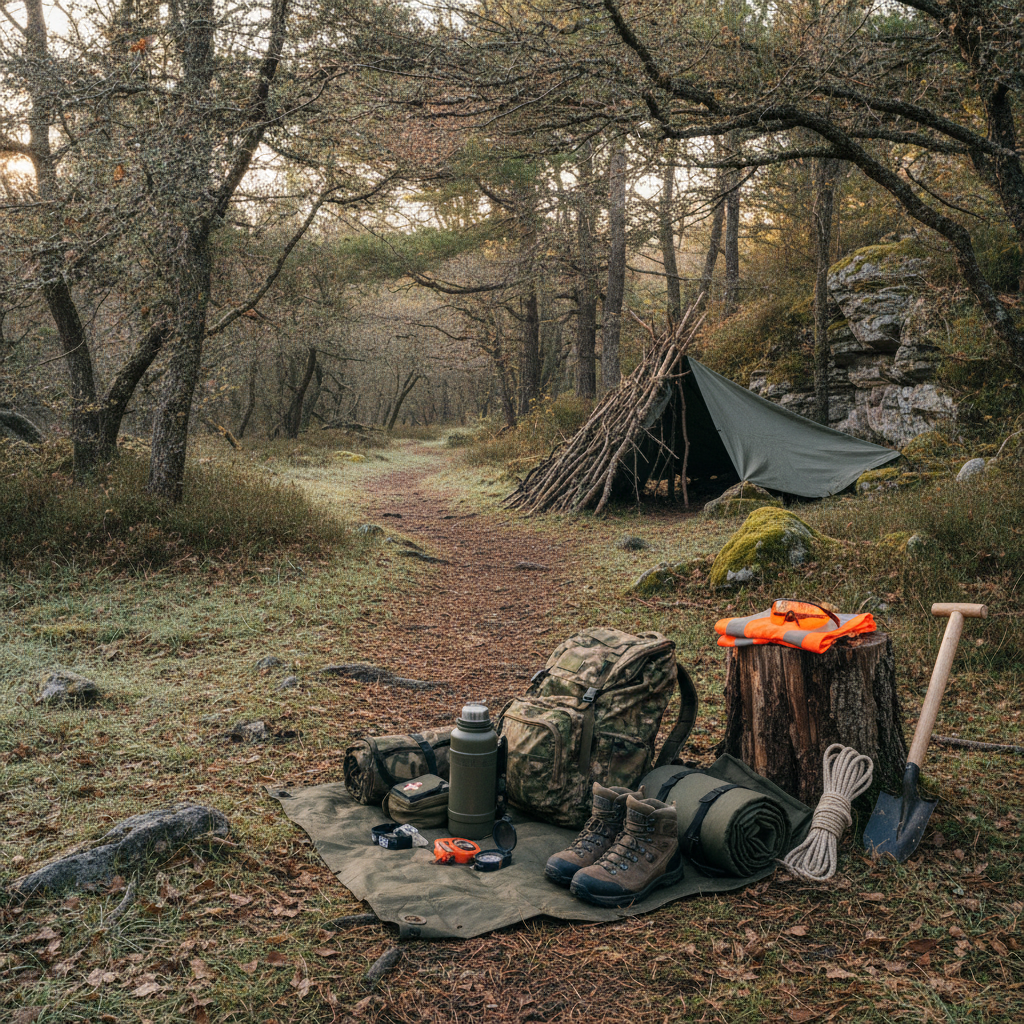
Equipping oneself properly is another significant aspect of preparation. The guide recommends a basic gear list that includes a legal weapon and appropriate ammunition or arrows, along with practice equipment. Essential items also comprise licenses and tags, hunter orange clothing where mandated for visibility, and broken-in waterproof boots. Layered, non-cotton clothing is advised for comfort and adaptability to changing weather conditions. Other crucial items include binoculars for scouting, a day pack, sufficient water, high-calorie snacks, a headlamp with extra batteries, a reliable knife, and a first-aid kit. The guide provides approximate cost estimates for new entry-level gear, noting that a rifle with a basic scope might range from $450 to $800, a shotgun suitable for deer or small game from $350 to $700, and a compound bow package from $400 to $900. Boots and basic clothing layers are estimated at $200 to $400, while entry-level binoculars could cost $100 to $250. Used or budget options are also presented as viable alternatives for cost-conscious beginners.
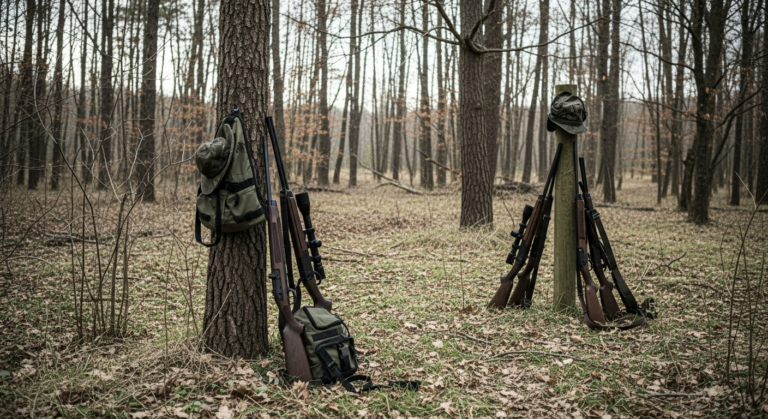
Safety is paramount, particularly when handling firearms. The guide reiterates four fundamental firearm safety rules: always treat every firearm as if it were loaded, keep the muzzle pointed in a safe direction at all times, keep the trigger finger off the trigger until the moment of shooting, and always positively identify the target and be aware of what is in front of and beyond it. For those utilizing elevated hunting positions, additional safety measures are critical. These include the mandatory use of a full-body safety harness, a lineman’s belt, and a lifeline. Regular inspection of tree stands and the use of a haul line for raising and lowering unloaded weapons are also emphasized to prevent accidents.
Effective scouting and fieldcraft are also crucial for success. The guide encourages new hunters to practice shooting until they can consistently achieve a reliable field-position shot. Before each hunt, it is recommended to leave a detailed itinerary with someone, including the hunting location and expected return time. Beginning with a mentor, if possible, can provide invaluable hands-on experience and guidance. Keeping a hunting journal to record observations—such as location, wind conditions, weather patterns, wildlife sightings, and lessons learned—can also contribute significantly to a hunter’s development over time.
The process following a shot is equally important. Hunters are advised to carefully observe the animal’s reaction and mark its last known location. Depending on the situation, waiting a period before tracking may be appropriate. Tracking should commence at the hit site, following signs slowly and methodically. If needed, seeking assistance from experienced trackers is encouraged. Once the animal is recovered, it must be tagged as required by state regulations. Prompt cooling and cleaning of the meat are essential for preservation, and hunters must adhere to state rules for carcass or quarter transport. The guide acknowledges that a first season often involves early mornings, extended periods without seeing game, missed opportunities, and mistakes, framing success not solely as filling a tag, but as the development of safe, legal, ethical, and practical hunting skills.
Why it matters in Myrtle Beach
For residents of Myrtle Beach and the broader Horry County area interested in hunting, understanding and adhering to these preparatory guidelines is essential. While hunting opportunities may not be directly within the city limits, the surrounding natural areas and public lands across Horry County offer diverse environments for various game species. The Horry County Government, through its various departments and the Horry County Sheriff’s Office under Sheriff Phillip E. Thompson, plays a role in ensuring public safety and enforcing state wildlife regulations within the county. New hunters from Myrtle Beach who complete their education and follow safety protocols contribute to responsible wildlife management and uphold the ethical standards of the sport, impacting the broader outdoor recreation landscape of the Grand Strand region. This commitment to preparation helps ensure a safe and sustainable hunting future for the community.