Outdoor home planning in Myrtle Beach is increasingly focused on mitigating the effects of a July heat dome, with residents seeking strategies to protect garden beds, containers, and patios. National guidance from sources like Good Housekeeping and AccuWeather emphasizes several key practices for maintaining plant health during periods of intense heat.
One primary recommendation is to water deeply and efficiently. Instead of frequent, shallow watering, which encourages roots to stay near the surface, deep watering less often promotes stronger, deeper root systems. This allows plants to access moisture from further down in the soil, making them more resilient to drought-like conditions. Early morning is often cited as the optimal time for watering, minimizing evaporation before the sun reaches its peak intensity.
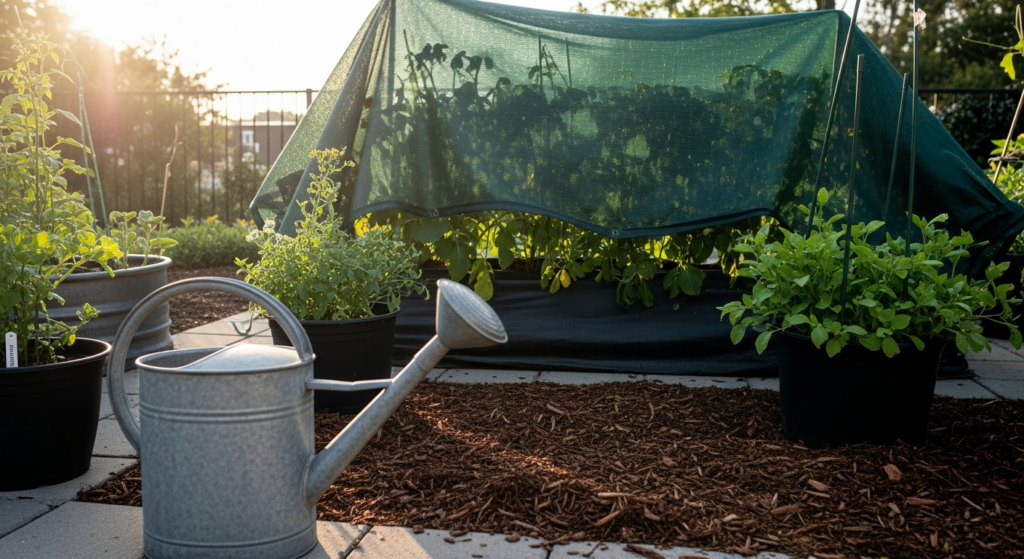
Shade is another critical tool for protecting vulnerable plants. Temporary shade structures, such as shade cloths or even umbrellas, can significantly reduce direct sun exposure during the hottest parts of the day. For container plants, the ability to move them into naturally shaded areas, like under a porch or a larger tree, can prevent wilting and heat stress. This flexibility offers a distinct advantage for those with potted greenery.
Mulching garden beds provides a protective layer that helps retain soil moisture and regulate soil temperature. A two-to-four-inch layer of organic mulch, such as wood chips, straw, or compost, can reduce water evaporation, suppress weeds that compete for water, and keep roots cooler. This practice is particularly beneficial in the sandy soils often found in the Myrtle Beach area.
Finally, avoiding strenuous outdoor gardening tasks during the midday heat is advisable for both plant and gardener well-being. Focusing on lighter activities or postponing more demanding work until the cooler morning or evening hours can prevent heat stress for both people and plants. This approach aligns with general safety recommendations for working outdoors in the summer climate of Myrtle Beach.
### Why it matters in Myrtle Beach
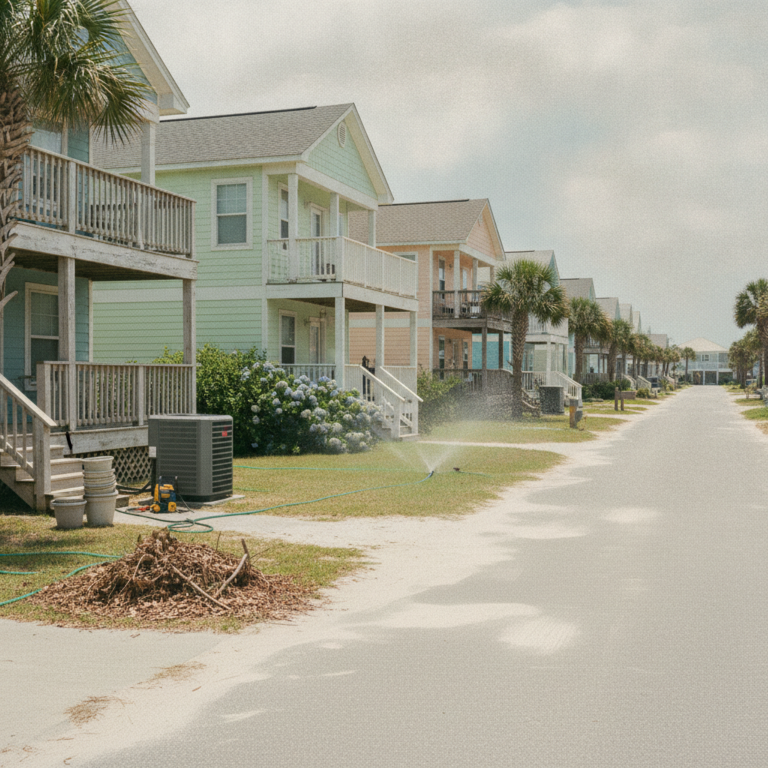
The sustained high temperatures associated with a July heat dome present particular challenges for the diverse residential areas across Myrtle Beach, from the established neighborhoods of Pine Lakes to the newer developments in Carolina Forest. Maintaining green spaces and home gardens contributes to the overall aesthetic and environmental health of the city. The City of Myrtle Beach, through its various departments, manages public green spaces and encourages residents to adopt practices that conserve water while protecting their landscaping investments, especially during peak summer conditions. Effective garden protection during these periods helps preserve property values and supports the city’s reputation for well-maintained outdoor environments.