The national labor market experienced slower job growth in June, a development that has prompted a recalibration of market expectations regarding the Federal Reserve’s timing for potential interest rate adjustments. This shift in outlook, emerging from the latest economic reporting, suggests that the central bank may have more flexibility in its monetary policy decisions than previously anticipated.
For months, financial markets have closely watched employment figures as a key indicator of economic health and inflationary pressures. Robust job creation often signals a strong economy, which can lead to higher wages and increased consumer spending, potentially fueling inflation. Conversely, a moderation in hiring, as seen in June, can alleviate some of those inflationary concerns, giving the Federal Reserve more room to consider a less aggressive stance on interest rates, or even a pivot towards cuts, depending on further data.
This change in the economic narrative has had immediate repercussions in financial markets. Treasury yields, which reflect the return investors demand for lending to the U.S. government and serve as a benchmark for many other interest rates, have reacted to the altered expectations. Lower job growth often translates to lower Treasury yields as investors anticipate the Federal Reserve will either hold rates steady for longer or begin to reduce them sooner. This dynamic impacts everything from corporate borrowing costs to consumer loan rates.
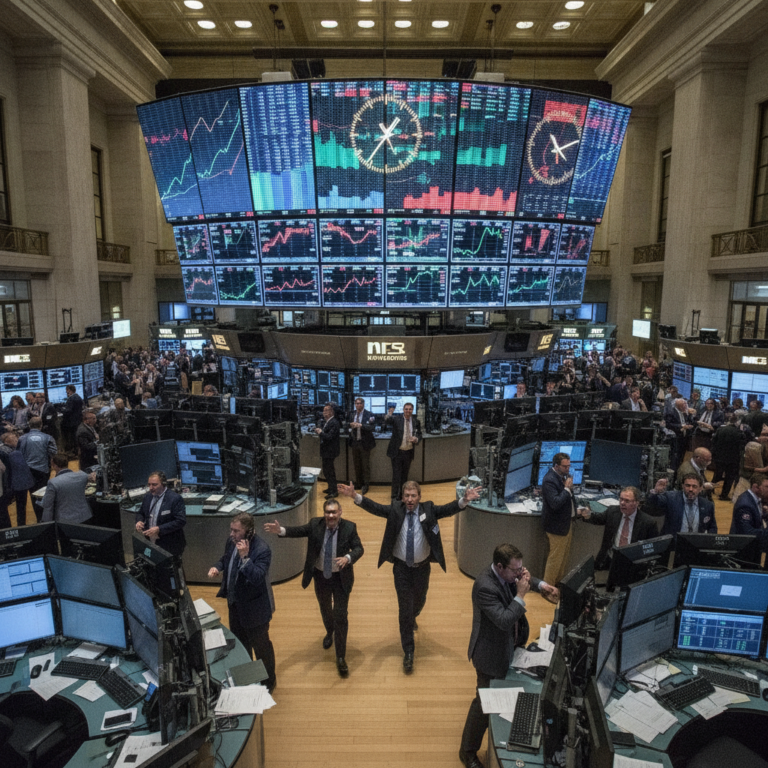
Stock market positioning has also adjusted in response to the June jobs data. Investors often re-evaluate their portfolios based on the perceived direction of interest rates. Companies that are highly sensitive to borrowing costs, such as those in real estate or capital-intensive industries, may see their valuations shift. The broader market sentiment can also be influenced by the outlook for economic growth, with slower job creation potentially signaling a cooling economy, which can affect corporate earnings projections.
These national economic currents inevitably ripple through local economies, including Myrtle Beach. As a region heavily reliant on its primary leisure and hospitality industry, the Grand Strand’s economic pulse is intricately linked to broader consumer confidence and spending patterns. Changes in interest rate expectations can affect the cost of doing business for the numerous hotels, restaurants, and attractions that define the Myrtle Beach economy.
Major employers in Myrtle Beach, such as the Horry County School District and Coastal Carolina University, while not directly driven by federal interest rate fluctuations for their operational budgets, are nonetheless part of a larger economic ecosystem. Broader economic slowdowns can influence state and local tax revenues, which in turn affect funding for public services and educational institutions. Similarly, Horry County Government and the City of Myrtle Beach, as significant employers and service providers, operate within fiscal frameworks that can be indirectly influenced by the national economic climate and its impact on local commerce and property values.
Private sector employers, including healthcare providers like Conway Medical Center, McLeod Seacoast, and Grand Strand Regional Medical Center, also navigate this environment. Their expansion plans, investments in new facilities, or even the cost of financing equipment can be influenced by prevailing interest rates. Kyocera AVX, a manufacturing presence in the area, similarly faces a cost of capital that is tied to these broader market trends, affecting its ability to invest and grow.
Small businesses, which form the backbone of Myrtle Beach’s vibrant retail trade and tourism sectors, are particularly sensitive to shifts in borrowing costs. Whether securing loans for seasonal inventory, facility upgrades, or managing cash flow during off-peak periods, these businesses depend on accessible and affordable credit. A sustained period of higher interest rates, or even uncertainty about their direction, can constrain investment and growth for these enterprises.
For job seekers in Myrtle Beach, the national slowdown in hiring, while not immediately reflected in local figures, could signal a tightening labor market over time. While the summer season typically brings a surge in employment opportunities in the leisure and hospitality sector, a broader national cooling could eventually impact tourist volumes and, consequently, the demand for labor in key local industries.
Myrtle Beach residents will also feel the effects through household borrowing costs. Mortgage rates, auto loans, and credit card interest rates are all influenced by the Federal Reserve’s policy decisions. A shift towards expectations of lower rates could offer some relief to homeowners looking to refinance or prospective buyers entering the housing market. Conversely, continued uncertainty could lead to cautious spending and investment decisions among households.
The national economic signals arrive as Myrtle Beach is in the midst of its peak summer tourism season, a period critical for the local economy. The interplay between national monetary policy and local economic activity underscores the interconnectedness of financial markets and the daily lives of residents and businesses in the Grand Strand.
### Why it matters in Myrtle Beach
The recent national jobs report and the subsequent shift in interest rate expectations carry tangible implications for Myrtle Beach. For entities like the City of Myrtle Beach, which relies heavily on sales tax revenue generated by tourism and local commerce, economic stability and consumer spending are paramount. Changes in borrowing costs can influence the viability of new development projects in neighborhoods like Grande Dunes or Carolina Forest, impacting the construction industry and future job creation. Furthermore, the numerous small businesses along corridors like US-17, from hotels to retail shops, will find their operational costs and investment decisions directly affected by the evolving interest rate environment, shaping the economic landscape of the entire Grand Strand.