The persistent summer heat in Myrtle Beach necessitates careful consideration for individuals managing medications, particularly when engaging in outdoor activities or daily errands. Understanding how various prescriptions and over-the-counter drugs can affect the body’s response to high temperatures is a critical aspect of personal health management during the warmer months.
Healthcare providers emphasize that personal medical decisions, especially concerning medication adjustments or heat exposure, should always be made in consultation with a qualified clinician. This approach ensures that advice is tailored to an individual’s specific health profile and medication regimen.
One primary concern revolves around hydration. Many medications can influence the body’s fluid balance, either by increasing urination or by affecting the sensation of thirst. Diuretics, commonly prescribed for high blood pressure or heart conditions, can lead to dehydration more quickly in hot weather. Similarly, some antihistamines, antidepressants, and psychiatric medications can impair the body’s ability to regulate temperature through sweating, increasing the risk of heat-related illness. Discussing these potential interactions with a pharmacist or doctor is a recommended step for anyone on medication.
Recognizing the early signs of heat-related stress is also crucial. Symptoms such as excessive sweating, fatigue, dizziness, headache, or muscle cramps can indicate that the body is struggling to cope with the heat. For those taking medications that might mask these symptoms or alter mental alertness, vigilance is even more important. Consulting a healthcare provider about how specific medications might affect one’s ability to perceive or respond to heat is a proactive measure.
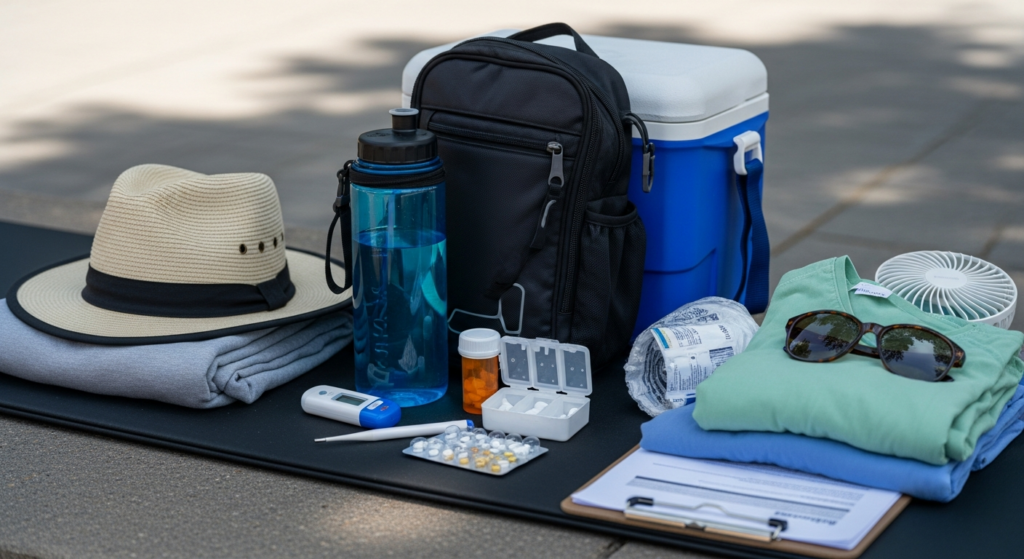
Planning for outdoor activities, whether it’s a visit to Myrtle Beach State Park, Brookgreen Gardens, or simply running errands across the city, requires foresight. Medications should be stored properly, away from direct sunlight and extreme heat, which can degrade their effectiveness. Carrying adequate water and planning activities during cooler parts of the day are general recommendations. For those with specific health conditions or complex medication schedules, discussing these plans with a clinician can help mitigate risks.
Travel within or outside Myrtle Beach also presents unique challenges for medication management during summer. Ensuring a sufficient supply of medication, understanding storage requirements while in transit, and knowing how to access refills if needed are all important considerations. Local medical facilities, including Grand Strand Regional Medical Center and Conway Medical Center, are available for consultations and urgent care needs should concerns arise.
Ultimately, the guidance from health professionals underscores the importance of a personalized approach to heat safety and medication. Rather than relying on general advice, individuals are encouraged to engage their healthcare team in discussions about their specific medications, health conditions, and planned activities to ensure a safe and healthy summer in Myrtle Beach.
### Why it matters in Myrtle Beach
Myrtle Beach, with its significant tourism industry and numerous outdoor attractions, experiences a substantial influx of visitors and a busy local population during the summer months. The combination of high temperatures and humidity creates an environment where heat-related health concerns are prevalent. For the thousands employed in the leisure and hospitality sector, or for residents enjoying local parks and events, understanding the interaction between medications and heat is not merely a general health tip but a practical necessity. Local healthcare providers at institutions like Grand Strand Regional Medical Center and Conway Medical Center regularly address heat-related conditions, making informed personal health management a key factor in community well-being and public health preparedness across Horry County.