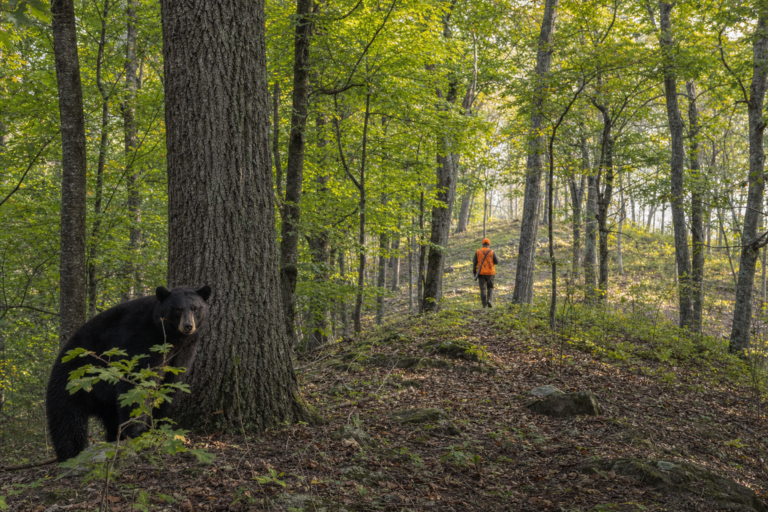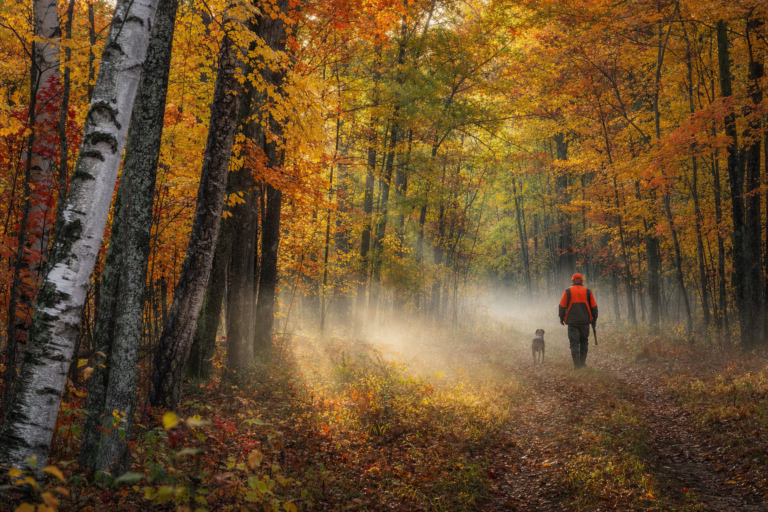
With deer season on the horizon for hunters across South Carolina, proactive preparation is critical for a successful and safe experience in the field. For many in the Myrtle Beach region, the weeks leading up to opening day are dedicated to a comprehensive checklist, ensuring every piece of equipment and every strategy is finely tuned.
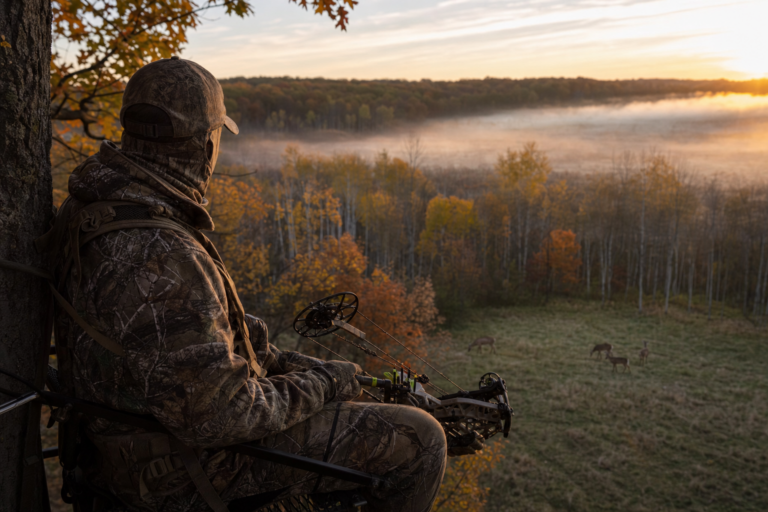
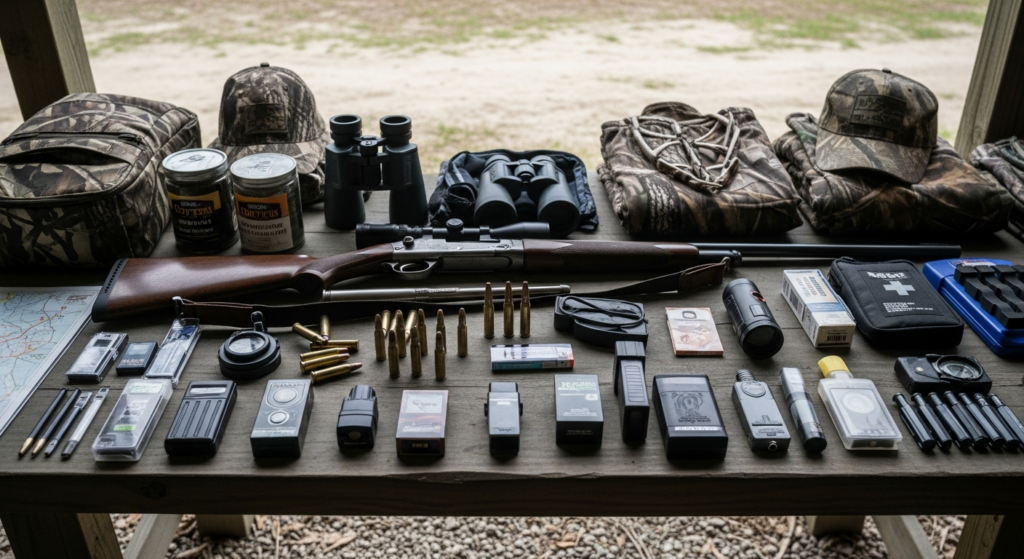
Weapon and optics readiness forms a cornerstone of this pre-season regimen. Bowhunters are advised to conduct a thorough inspection of their equipment, paying close attention to bow limbs, cams, and strings for any signs of wear, fraying, or separation. Waxing strings is a routine maintenance step that helps preserve their integrity and performance. For those using rifles, a meticulous cleaning and oiling process is essential to ensure reliability and prevent corrosion that can accumulate during storage. Crucially, hunters must verify their scope mounting, ensuring it is secure and properly zeroed for accuracy. Broadhead alignment is another critical detail for archers; using an arrow spinner to check for straightness and proper alignment can prevent erratic flight and ensure ethical shots.
Beyond weaponry, personal gear requires significant attention. Clothing and footwear preparation begins with washing all hunting apparel with scent-free detergent. This step is vital for minimizing human odor, which can alert deer to a hunter’s presence. Garments should be inspected for holes, worn seams, and fading that could compromise their effectiveness or camouflage. New footwear, if acquired, requires a dedicated break-in period to prevent discomfort and blisters during long treks in the woods. Additionally, verifying the waterproofing of boots and outerwear is paramount, particularly given the unpredictable summer and early fall weather patterns in the Myrtle Beach area, where sudden showers can quickly lead to uncomfortable and potentially unsafe conditions.
Safety and navigation are non-negotiable aspects of pre-season preparation. Treestands, ladder stands, and climbing sticks demand rigorous inspection for any signs of rust, loose fasteners, cracks, or frayed straps that could compromise structural integrity. A full-body harness, when used in conjunction with a lifeline, is an indispensable safety device that must be tested and confirmed to be in proper working order. These measures are designed to prevent falls, which remain a leading cause of serious injury among hunters. For navigation, handheld GPS units should be fully charged and tested, or mapping applications downloaded and updated on smartphones. Services like Xtra offer enhanced mapping capabilities, providing hunters with critical information such as property boundaries, landowner names and addresses, and detailed property access points. These advanced on-the-ground navigation tools, which include custom pins and paths, along with shape and path drawing tools, can be invaluable for navigating unfamiliar terrain and ensuring compliance with property lines. Xtra plans start at a monthly cost of $4, making sophisticated mapping accessible to many.
Game cameras have become a ubiquitous tool for scouting, and their strategic placement can significantly inform hunting strategies. Hunters are advised to position cameras near mineral licks, along well-used trails connecting bedding and feeding areas, at field edges and corners, and close to water sources. Proper setup involves ensuring batteries are fully charged and, if still using them, formatting and labeling SD cards to avoid data loss. Testing the field of view, motion activation settings, and flash settings ensures the camera captures relevant activity effectively, providing crucial intelligence on deer movement patterns.
Other essential checklist items contribute to a comfortable and prepared hunting camp. Tents and campers should be inspected for wear, leaks, or damage that might have occurred during storage. Sleeping bags and pillows benefit from a thorough washing or airing out to remove any musty odors. Camping stove fuel canisters should be filled and checked for leaks. Beyond gear, personal readiness is key: practicing shooting in hunting clothes helps simulate real-world conditions and builds confidence. Double-checking pack contents, including tags, snacks, water, hunting license, and a comprehensive first aid kit, ensures immediate needs are met in the field. For those hunting on private land, coordinating with landowners well in advance is crucial for respecting property rights and maintaining good relationships. Finally, getting in shape physically is often overlooked but vital for enduring the demands of hunting, from long walks to hauling game.
Why it matters in Myrtle Beach
For residents of Myrtle Beach and the wider Horry County, the approaching deer season represents a significant recreational pursuit for many. The emphasis on safety and preparedness outlined in these guidelines directly impacts the well-being of individuals who venture into the region’s natural landscapes, including areas near the Waccamaw River watershed. Adherence to these protocols can reduce the strain on local emergency services, including those coordinated by Horry County Government, by preventing accidents and ensuring hunters are self-sufficient. Furthermore, the local retail sector, from sporting goods stores to outdoor outfitters, sees an annual uptick in activity as hunters stock up on gear, contributing to the economic fabric of the Grand Strand. Ensuring a safe and responsible hunting season benefits both participants and the broader community.