As Myrtle Beach experiences its typical summer climate, new comprehensive guidance on extreme heat safety has been issued, detailing essential preparations and responses for residents and visitors. The information underscores that extreme heat events, characterized by several days of temperatures significantly above average, are a leading cause of weather-related fatalities and are becoming more frequent, severe, and prolonged due to climate change.
Central to the guidance are robust hydration strategies. An average individual requires approximately three-quarters of a gallon of water daily, a baseline that should be increased during extreme heat. Emergency provisions, the guidance states, should include at least one gallon of drinking water per person per day. It strongly advises against consuming sugary, caffeinated, or alcoholic beverages, which can exacerbate dehydration. For individuals engaged in heavy sweating, replenishing lost salts and minerals through snacks or sports drinks is recommended to maintain electrolyte balance.
Emergency preparedness is another critical component of the safety recommendations. Residents are advised to assemble both a portable Go-Kit, containing at least three days’ worth of essential supplies, and a Stay-at-Home Kit, stocked with a minimum of two weeks’ worth of provisions. These kits should include a one-month supply of any necessary medications, secured in child-proof containers, along with other vital medical supplies or equipment. Backup batteries and chargers for electronic devices are also crucial. Additionally, personal protection items such as sunscreen and wide-brimmed hats are recommended to mitigate sun exposure when outdoors.
Effective cooling strategies are paramount during periods of extreme heat. The guidance suggests spending several hours each day in air-conditioned environments. It cautions against relying solely on electric fans when ambient temperatures reach the high 90s Fahrenheit, as fans primarily circulate hot air and may not provide adequate cooling. Public facilities such as libraries, shopping malls, or designated cooling centers can offer respite from the heat. Wearing lightweight, loose-fitting clothing is also advised. For those whose work or activities necessitate outdoor time, limiting exposure or scheduling such activities for earlier or later parts of the day, when temperatures are typically lower, is a key recommendation.
The guidance identifies several populations at elevated risk of heat-related illness. These include older adults, who may have reduced physiological capacity to regulate body temperature; infants, young children, and pregnant women, whose bodies are more susceptible to heat stress; individuals with pre-existing medical conditions; and outdoor workers, particularly those in sectors like construction or the robust leisure and hospitality industry in Myrtle Beach. Furthermore, people with limited personal resources, who may lack access to air conditioning or adequate hydration, and those residing in areas with fewer green spaces, which tend to be hotter, face increased vulnerability.
Recognizing the symptoms of heat illness is crucial for timely intervention. Heat cramps, the mildest form, typically involve heavy sweating accompanied by muscle pain or spasms. Heat exhaustion presents with more severe symptoms, including heavy sweating, cold, pale, and clammy skin, a fast but weak pulse, nausea or vomiting, cramps, general weakness, dizziness, headache, or fainting. Heat stroke, a medical emergency, is characterized by a body temperature of 104°F or higher, hot, red, dry or damp skin, a fast, strong pulse, headache, dizziness, nausea, confusion, or loss of consciousness.
In cases of suspected heat stroke, immediate action is vital. The guidance instructs individuals to call 911 without delay. While awaiting emergency services, the affected person should be moved to a cooler location. Cooling the body rapidly is critical, which can be achieved using wet cloths, misting, fanning, or a cool bath. It is explicitly stated that nothing should be given to the person to drink. For those experiencing emotional distress following an extreme heat event, the Disaster Distress Helpline is available at 1-800-985-5990 for free calls or texts.
Why it matters in Myrtle Beach
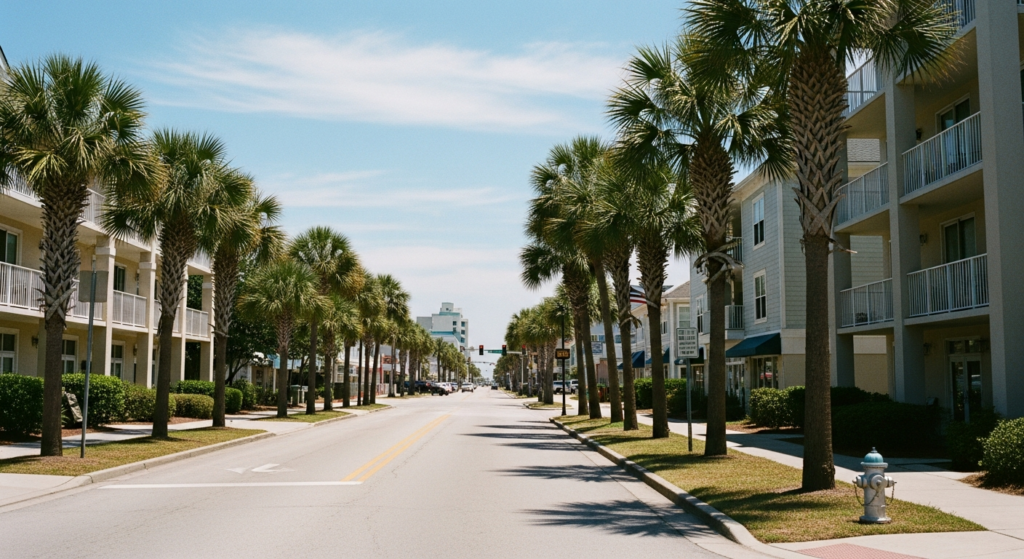
The implications of extreme heat guidance are particularly significant for Myrtle Beach, a city characterized by its warm summer climate and a substantial tourism industry. The recommendations directly impact the well-being of the thousands of outdoor workers employed by major employers such as the City of Myrtle Beach, Horry County Government, and the numerous businesses within the leisure and hospitality sector. Moreover, the health of vulnerable populations, including older adults residing in neighborhoods like Grande Dunes and Withers Preserve, and the many families with young children, is directly tied to adherence to these safety measures. Local healthcare providers, including Grand Strand Regional Medical Center and Conway Medical Center, often see an increase in heat-related emergencies during prolonged hot spells, underscoring the importance of preventative action across the community. Public spaces like Chapin Memorial Park and the various shopping centers can serve as vital cooling havens for those without adequate air conditioning, highlighting the community’s collective role in mitigating heat risks.