Maintaining a home in Myrtle Beach requires consistent attention, particularly as the region experiences the summer season. Proactive maintenance during this period can prevent more significant issues and costs later in the year, addressing vulnerabilities ranging from water damage to structural integrity.
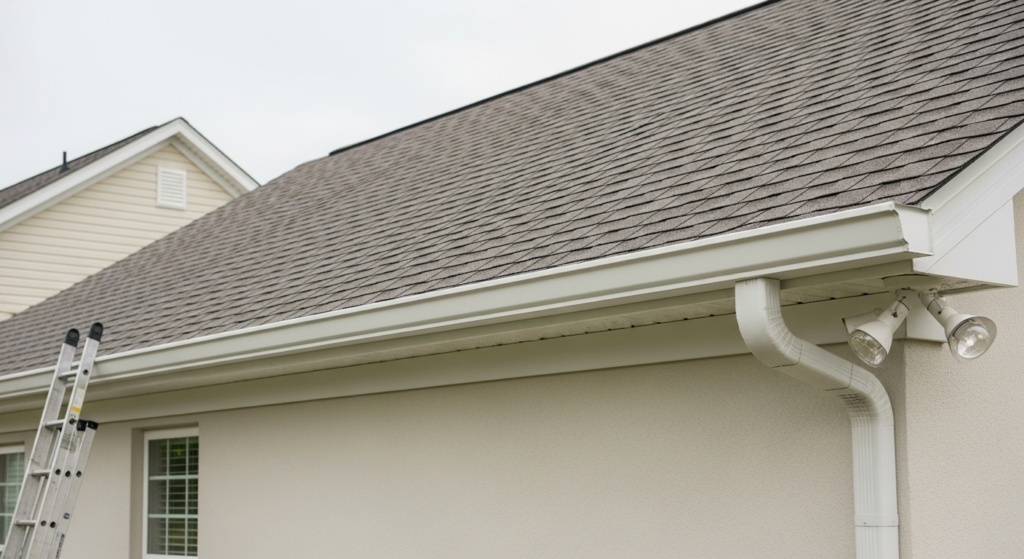
One critical area for homeowners to inspect is the gutter system. This includes not only the gutters themselves but also guards, downspouts, and extensions, which should collectively direct water at least five feet away from the house’s foundation. Homeowners are advised to look for signs of wear such as loose, corroded, or detached pieces, as well as ground erosion near the foundation, debris accumulation, overflows during rain, and slow water flow. While gutter guards can reduce debris, a thorough professional cleaning is still recommended approximately every five years, with costs for such services typically around $150, varying based on the specific property and location.
Roof integrity is another paramount concern. Inspections should cover missing or loose shingles, which can be dislodged by wind or age, and problems at seams and flashing where different roof sections meet. Seals around windows, chimneys, and other roof penetrations should also be checked for damage. Inside the attic, homeowners should look for missing insulation and any signs of moisture discoloration or mold on surfaces or ceilings, which can indicate a leak that has penetrated the roof structure.
Outdoor living spaces, such as decks, also require annual attention. Homeowners should check for mold and mildew, popped screws, and loose boards that could pose a safety hazard. Railings should be tested for softness or wobbling, and the points where the deck meets the house, railings, and stairs should be thoroughly examined. The lifespan of deck sealants and stains varies: clear sealants may need annual application, semi-transparent stains every two or three years, and opaque solid stains every three to five years.
Exterior painting is best undertaken at the beginning or end of summer, when temperatures are consistently within the ideal range of 50 to 90 degrees Fahrenheit. Proper surface preparation is crucial for longevity, with a well-executed paint job expected to last up to 10 years, protecting the home’s exterior from the elements.
Beyond these major structural components, several other maintenance tasks are recommended during the summer. Gas grills should be cleaned once per season to ensure safe and efficient operation. Irrigation systems and outdoor plumbing should be checked for leaks, which can waste water and cause damage. Washing windows and screens not only improves aesthetics but also removes accumulated grime. Inside the home, changing HVAC filters regularly is essential for air quality and system efficiency. Dryer vents should be cleared of lint to prevent fire hazards, and range-hood filters and refrigerator coils should be cleaned to maintain appliance performance. Finally, servicing heating systems before the return of colder weather can help ensure they are ready for operation when needed.
Moisture control within the home is particularly important in the humid climate of Myrtle Beach. A dehumidifier can help maintain indoor humidity levels between 30 and 50 percent, preventing the growth of mold and mildew. Inadequate ventilation, cracked foundations, and poor exterior drainage can all contribute to damp basements or crawl spaces. If persistent moisture or mold is observed, a professional HVAC inspection is warranted to identify and address the root cause.
Why it matters in Myrtle Beach
The consistent upkeep of residential properties holds particular significance in Myrtle Beach, where the coastal environment and humid climate can accelerate wear and tear on homes. Addressing issues like gutter drainage, roof leaks, and moisture control is not merely about aesthetics; it directly impacts property values across neighborhoods like Grande Dunes and Carolina Forest, and can prevent costly structural damage. The presence of mold or persistent dampness, if left unaddressed, can also have public health implications for residents. Proactive maintenance, as outlined by these guidelines, helps ensure the longevity and safety of homes, contributing to the overall stability and well-being of the community’s housing stock and protecting individual investments in a region known for its residential growth and appeal.