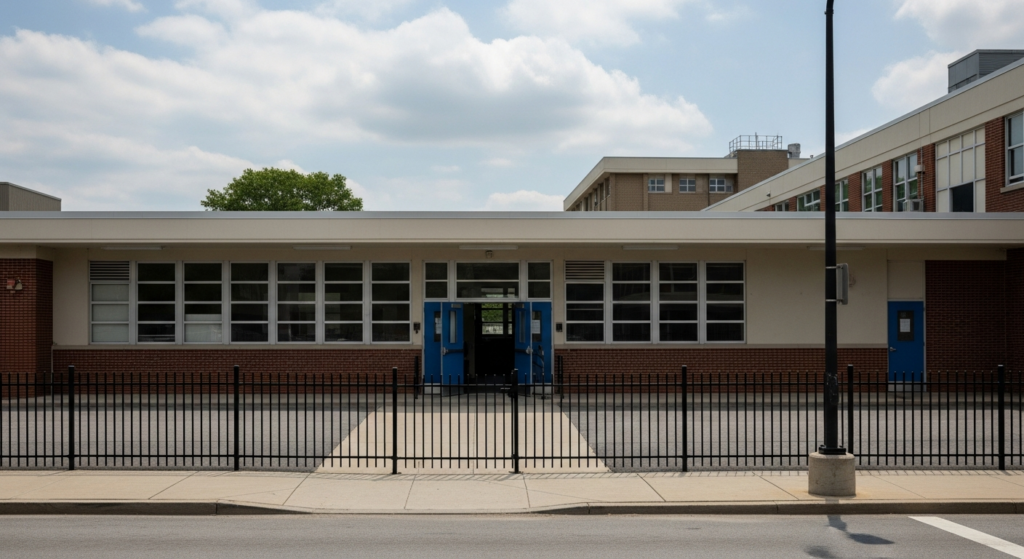
Concerns over classroom cooling and ventilation systems in schools nationwide have intensified following reports of heat-related disruptions, a trend that brings renewed focus to infrastructure readiness in districts like Horry County School District in Myrtle Beach.
The issue, which has garnered national attention, centers on the ability of school facilities to maintain safe and comfortable learning environments during periods of elevated temperatures. Beyond simply cooling classrooms, the discussion extends to the efficacy of ventilation systems, which play a critical role in air circulation and overall indoor air quality. These factors are particularly pertinent in regions that experience sustained periods of high heat, such as the Grand Strand.
For the Horry County School District, one of the largest employers in the Myrtle Beach area, ensuring optimal conditions in its numerous facilities is an ongoing operational challenge. The district serves a substantial student population across Horry County, and the performance of its HVAC and ventilation systems directly impacts student well-being and instructional continuity. While specific local disruptions have not been detailed, the broader national conversation underscores the importance of proactive maintenance and infrastructure planning.
Local authorities and institutions often prepare for extreme weather conditions by identifying resources available to the community. These can include designated cooling centers, adjustments to schedules for outdoor events, and guidance on transportation during periods of high heat. Access to medical resources, such as those provided by Grand Strand Regional Medical Center, Conway Medical Center, and McLeod Seacoast, also becomes a critical consideration for public health officials and school administrators.
The City of Myrtle Beach and Horry County Government work to coordinate responses to various community needs, including those arising from environmental factors. The focus on school building readiness highlights the interconnectedness of public health, education, and municipal services in ensuring a resilient community infrastructure.
### Why it matters in Myrtle Beach
The national focus on school cooling and ventilation systems has direct implications for Myrtle Beach, particularly for the Horry County School District. As a major employer and the primary educational provider for the region, the district’s ability to manage classroom temperatures and air quality directly affects thousands of students, faculty, and staff. Ensuring robust infrastructure is crucial for maintaining a conducive learning environment and preventing heat-related health issues. Furthermore, the capacity of local healthcare providers like Grand Strand Regional Medical Center to respond to heat-related incidents underscores the broader public health preparedness of Myrtle Beach during the summer months.