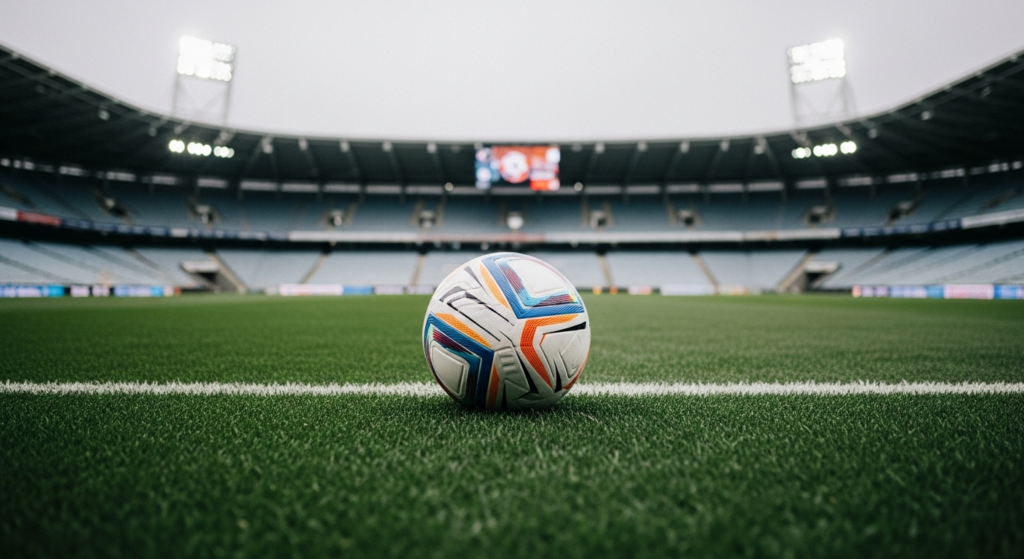
Spain defeated defending champion Argentina 1-0 in the 2026 World Cup final on Sunday, securing the tournament title after an extra-time goal from Ferran Torres. The decisive moment came in the 106th minute at New York New Jersey Stadium, marking a significant victory for Spain and concluding what many observers described as Lionel Messi’s final World Cup appearance.
The match remained scoreless through regulation, a testament to Spain’s defensive efforts and ability to limit Argentina’s potent attack. In the first half, Spain created clearer chances, with Lamine Yamal forcing an early save from Argentina’s goalkeeper, Emiliano Martinez. Despite Argentina’s status as the reigning champion, Spain maintained a disciplined approach, preventing a breakthrough until the extra period.
Torres’s goal in the second period of extra time broke the deadlock, giving Spain its first World Cup title decided beyond regulation play. The victory capped a demanding tournament for both teams, with Spain ultimately prevailing in a tightly contested final.
Why it matters in Myrtle Beach
The outcome of the World Cup final, a global sporting spectacle, resonates within Myrtle Beach, a city known for its vibrant leisure and hospitality industry. While the match took place thousands of miles away, major international events like this often draw significant attention in local establishments, from sports bars to community gathering spots. For residents and visitors in Myrtle Beach, the final provided a shared cultural moment, with discussions likely unfolding in neighborhoods like The Market Common and Pine Lakes, and among the diverse workforce that powers the Grand Strand’s economy. The City of Myrtle Beach, through its various community initiatives, often observes how such global events can foster a sense of shared experience, even if informally, among its population.