Maintaining a home requires consistent attention to prevent minor issues from escalating into significant expenses. A recent compilation of home maintenance guidance underscores the importance of proactive checks across various components, from exterior structures to internal systems, offering insights into both routine upkeep and larger projects.
Gutters, often overlooked, play a critical role in protecting a home’s foundation. A family in Olathe, Kansas, experienced the consequences of neglected gutters when a spring storm caused water to pool around their foundation, ultimately shattering a window and flooding their basement. This incident led them to invest $3,800 in a no-clog gutter system, a significant expenditure that followed an earlier estimate of $8,000 for a similar solution.
Effective gutter systems, including guards, downspouts, and extensions, are designed to divert water at least five feet away from the house. Homeowners should regularly inspect for loose or corroded components, signs of erosion near the foundation, debris accumulation, overflows, and slow water flow. While professional gutter cleaning typically costs around $150, a thorough cleaning is recommended every five years, even for systems equipped with guards, to ensure optimal performance.
Roof inspections are another crucial element of summer home maintenance. Property owners should look for missing or loose shingles, particularly after adverse weather, and examine seams and flashing for any signs of compromise. Damaged seals around windows or chimneys can also be entry points for water. Inside the attic, checks for missing insulation, discoloration, or mold can indicate underlying issues. For exterior painting projects, the guidance suggests ideal temperatures between 50 and 90 degrees Fahrenheit, noting that a properly executed paint job can protect a home for up to 10 years.
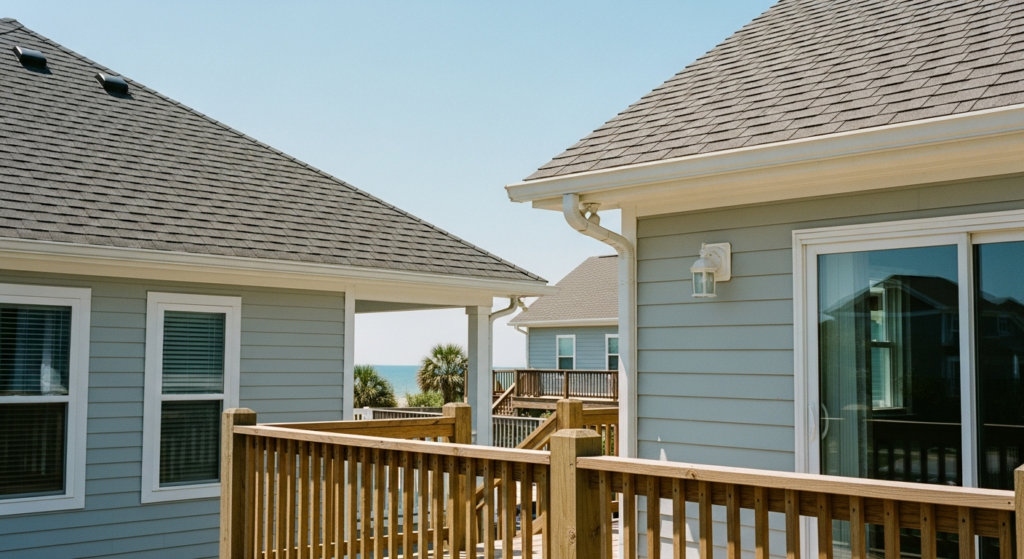
Decks, which often bear the brunt of outdoor elements, require annual attention. Inspections should cover mold, mildew, popped screws, loose boards, and the stability of railings and stairs. A simple scrub with soapy water can address surface grime, and testing whether water beads on the boards indicates the effectiveness of the sealant. Clear sealants may need annual reapplication, while semi-transparent stains typically last two or three years, and opaque solid stains can provide protection for three to five years.
Beyond these major components, a range of other outdoor tasks contribute to a home’s longevity. Gas grills benefit from a seasonal cleaning, which involves burning off grime by setting burners to high with the lid closed for 15 minutes. Irrigation systems should be tested for proper function and any leaks promptly fixed. Regular weeding and mulching can improve curb appeal and soil health. Hoses and outdoor faucets should be checked for leaks, and windows and screens cleaned. Small tears in screens can often be repaired with a dab of clear nail polish.
Indoor maintenance is equally important. Replacing HVAC filters regularly is essential for air quality and system efficiency. Clearing dryer vents helps prevent fire hazards and improves drying performance. Range-hood filters can be cleaned by soaking them in soapy water for 20 minutes. Cleaning refrigerator coils improves energy efficiency, and checking and sealing attic insulation gaps can reduce energy loss. In basements, maintaining humidity levels between 30 and 50 percent with a dehumidifier, when necessary, can prevent mold and mildew growth.
Homeowners often weigh the trade-offs between undertaking projects themselves and hiring professionals. Daniel Morgan, a homeowner in Virginia Beach, Virginia, navigated this balance by demolishing a fence himself before hiring professionals for its replacement and to open his pool. He also engaged a neighborhood teenager for pressure-washing concrete surfaces, opting to reseal the concrete himself. This approach highlights the potential for cost savings through DIY efforts while recognizing when professional expertise is warranted.
Why it matters in Myrtle Beach
For homeowners across Myrtle Beach, particularly in neighborhoods like Grande Dunes or Pine Lakes, adhering to a consistent home maintenance schedule is crucial. The coastal environment of the Grand Strand, with its humidity and occasional severe weather, can accelerate wear and tear on roofs, decks, and exterior paint. Proactive maintenance, such as regular gutter cleaning and roof inspections, can mitigate the impact of salt air and heavy rains, preserving property values and preventing more extensive, costly repairs down the line. Given the significant investment many residents have in their homes, especially with the ongoing development in Horry County, these maintenance practices are fundamental to protecting assets and ensuring the long-term integrity of residential structures throughout Myrtle Beach.