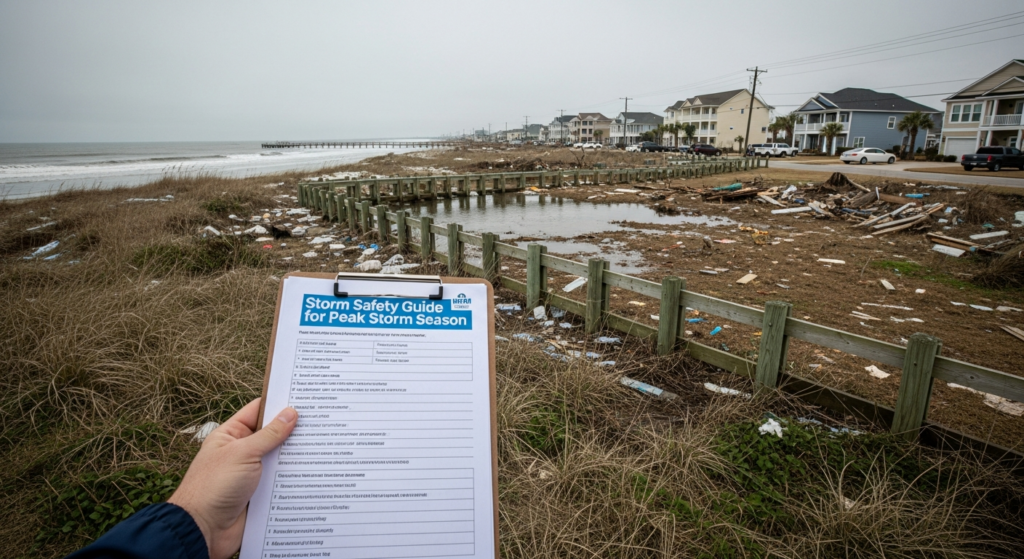
Myrtle Beach homeowners are encouraged to review a comprehensive storm safety guide designed to bolster preparedness against a range of natural disasters, from hurricanes and floods to less common but still possible ice storms. The guide, which emphasizes that severe weather can strike with minimal warning, provides detailed checklists for actions to take before, during, and after a storm.
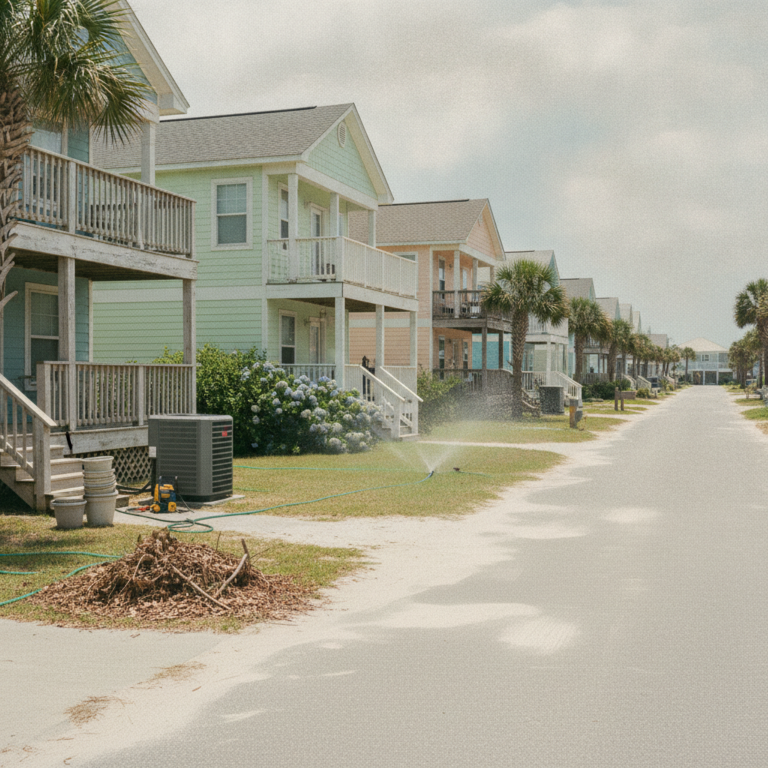
Preparation is a critical first step, according to the guide. Before a storm’s arrival, homeowners should conduct a thorough inspection of their property. This includes checking the roof for any missing or damaged shingles that could compromise the home’s integrity against high winds and heavy rain. Sealing gaps around windows, doors, and siding is also crucial to prevent water intrusion. Maintaining clear and secure gutters and downspouts ensures proper water diversion away from the foundation, a vital measure in a coastal area like Myrtle Beach where heavy rainfall is common. Trimming tree branches that are close to the home can mitigate the risk of damage from falling limbs. Outdoor furniture, grills, and other loose items should be anchored or moved into a sheltered location, such as a garage, to prevent them from becoming projectiles in strong winds. For homes equipped with storm shutters or other window protection, the guide advises installing or testing these systems. Finally, reviewing insurance coverage and taking pre-storm photographs of the home’s condition are essential steps for facilitating potential claims after an event.
An emergency kit is the cornerstone of household readiness. The guide outlines several essential items. Bottled water is paramount, with a recommendation of at least one gallon per person per day for a minimum of three days. Non-perishable food items, along with a manual can opener, ensure sustenance. Lighting sources such as flashlights, headlamps, and an ample supply of batteries are necessary for power outages. A well-stocked first-aid kit and a supply of prescription medications are critical for health and safety. A battery-powered or hand-crank weather radio provides vital updates when other communication channels are down. Cell phone chargers and portable power banks are also crucial for maintaining contact. Important documents, including identification, insurance policies, and medical records, should be stored in waterproof bags. Carrying cash in small bills is advised, as electronic payment systems may be unavailable. Blankets, extra clothing, sturdy shoes, and hygiene supplies complete the recommended kit.
Given Myrtle Beach’s proximity to the Atlantic Ocean and the Intracoastal Waterway, specific advice for flooding and heavy rain is particularly relevant. The guide recommends installing and regularly maintaining a sump pump in areas prone to water accumulation. Improving the landscape’s drainage so that soil slopes away from the foundation can significantly reduce the risk of water pooling. Extending downspouts several feet from the home’s foundation helps direct rainwater further away. Sealing foundation and basement openings can prevent water from seeping into the structure. Keeping gutters and drains clear of debris is a continuous task to ensure efficient water flow. For homes in flood-prone zones, elevating utilities and valuables can protect them from water damage.
While less frequent than tropical systems, winter weather can also pose risks. The guide advises insulating exposed pipes to prevent freezing and bursting, and disconnecting and draining outdoor hoses. Clearing gutters and downspouts before cold weather sets in can prevent ice dams, which can cause significant roof damage. Homeowners should keep flashlights, batteries, blankets, and backup heat sources readily available. A critical warning is never to operate a generator indoors due to the risk of carbon monoxide poisoning. When snow and ice occur, clearing them safely from walkways, driveways, and especially from heating and dryer vents is important to prevent hazards.
After a storm has passed, the guide instructs homeowners to wait until all immediate hazards, such as downed power lines or floodwaters, have subsided before beginning inspections. A thorough assessment of the property should then be conducted, including the roof, gutters, siding, windows, HVAC units, solar panels, doors, ceilings, and attic. Documenting all damage with photographs and detailed notes is crucial for filing insurance claims. Making temporary repairs, such as covering damaged areas with tarps or boarding up broken windows, can prevent further damage while awaiting professional assistance.
In the event of a prolonged power outage during the summer months, the guide highlights a specific health risk: if the indoor air temperature exceeds 95 degrees Fahrenheit, it is time to seek a cooler environment. Options include public spaces such as libraries, movie theaters, stores, or designated community cooling stations, which may be established by local authorities like the City of Myrtle Beach during emergencies.
Why it matters in Myrtle Beach
For residents of Myrtle Beach, a city situated directly on the coast and within a region frequently impacted by tropical storms and hurricanes, comprehensive storm preparedness is not merely a recommendation but a critical aspect of homeownership. The detailed guidance provided in this safety document offers a practical framework for protecting property and ensuring family safety. Given the potential for significant disruption to infrastructure and services, as seen in past storm events affecting the Grand Strand, proactive measures can reduce the burden on emergency services and local institutions like Grand Strand Regional Medical Center. Adhering to these guidelines can help safeguard the community’s well-being and economic stability, particularly for neighborhoods such as Grande Dunes and The Market Common, which face varying degrees of storm-related risks.