A new safety guide has been distributed, providing comprehensive recommendations for individuals engaging in fishing activities in and around Myrtle Beach, particularly during the summer season. The document focuses on mitigating risks associated with sun exposure, dehydration, heat-related illnesses, and boating incidents.
The guide emphasizes that the sun’s ultraviolet (UV) rays are at their most intense between 10 AM and 4 PM. It also highlights that water surfaces can significantly increase UV exposure by reflecting up to 15 percent of radiation back onto a person. To counter this, a broad-spectrum sunscreen with an SPF of at least 30 is recommended, with an SPF of 50 or higher advised for prolonged periods on the water. The guide suggests applying sunscreen 30 minutes before sun exposure and reapplying it every two hours, or more frequently if sweating heavily or after being splashed.
Beyond sunscreen, the recommendations include wearing lightweight, long-sleeved shirts and pants made from UPF-rated fabrics, which offer additional protection against UV radiation. A wide-brimmed hat, providing at least four inches of coverage around the entire head, and polarized sunglasses with 100 percent UV protection are also cited as essential gear for anglers.
Maintaining proper hydration is another central theme of the safety guidelines. Early indicators of dehydration, such as thirst, dry mouth, decreased urination, and fatigue, are detailed. More severe symptoms, including dizziness, a rapid heartbeat, and confusion, signal a more critical state requiring immediate attention. The guide also differentiates between heat exhaustion and heat stroke, two serious conditions that can arise from prolonged heat exposure.
Symptoms of heat exhaustion include heavy sweating, general weakness, nausea, headaches, and muscle cramps. Heat stroke, a medical emergency, is characterized by a high body temperature exceeding 103°F, an altered mental state, hot and dry skin (or sometimes profuse sweating), and a rapid pulse, potentially leading to unconsciousness. The guide stresses the importance of recognizing these symptoms quickly and seeking medical help.
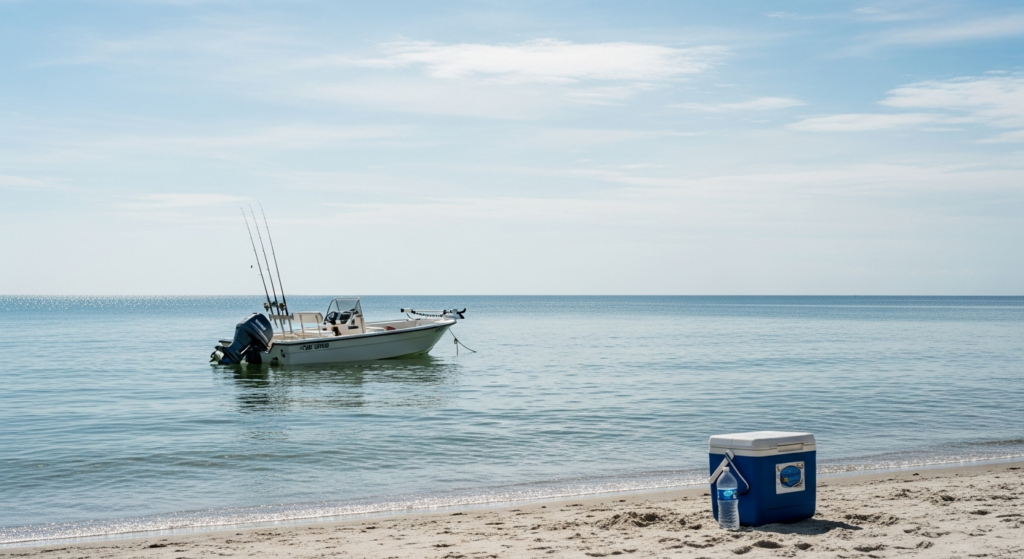
For those venturing out on the water for boat fishing in Myrtle Beach, specific safety protocols are outlined. These include filing a float plan, which informs others of your intended route and return time, and carrying a VHF radio for emergency communication. Anglers are also advised to pack extra water and emergency supplies. The U.S. Coast Guard, referenced in the guide, recommends carrying at least one gallon of water per person per day for emergency situations, underscoring the importance of preparedness on the Atlantic Ocean or Intracoastal Waterway.
Why it matters in Myrtle Beach
The issuance of these safety guidelines holds particular relevance for Myrtle Beach, a community deeply connected to its coastal environment and water-based recreation. With the Atlantic Ocean, Intracoastal Waterway, and numerous swashes like Withers Swash providing ample fishing opportunities, a significant portion of the local population and visitors engage in angling. Adherence to these recommendations can directly impact public health outcomes, potentially reducing incidents of severe sunburn, heat-related emergencies requiring care at facilities like Grand Strand Regional Medical Center, and boating accidents that might necessitate responses from Horry County Government emergency services. Promoting safe practices ensures that the region’s natural assets can be enjoyed responsibly throughout the summer.