As summer fishing activity continues along the Grand Strand, a comprehensive safety guide has been issued, detailing crucial measures for anglers to protect themselves against environmental hazards. The recommendations cover sun exposure, hydration, heat-related illnesses, and essential boat safety, particularly relevant for those spending extended periods on the water in and around Myrtle Beach.
The guide highlights that the sun’s ultraviolet (UV) rays are at their most intense between 10 AM and 4 PM. Compounding this risk, water surfaces can reflect up to 15 percent of UV radiation, significantly increasing exposure for individuals on boats or fishing from piers and shorelines. Prolonged exposure to these conditions without adequate protection can lead to severe sunburn, accelerated skin aging, and an elevated risk of skin cancer.
To mitigate these risks, the guidelines strongly advise the use of broad-spectrum sunscreen with a minimum Sun Protection Factor (SPF) of 30. For extended periods on the water, an SPF of 50+ is recommended. Proper application involves applying sunscreen 30 minutes before sun exposure to allow it to bind with the skin, and reapplying it every two hours. More frequent reapplication is necessary after heavy sweating or direct water contact, such as from splashing or swimming.
Beyond sunscreen, protective clothing and accessories are essential. Anglers should consider lightweight, long-sleeved clothing with an Ultraviolet Protection Factor (UPF) rating, which indicates how much UV radiation a fabric blocks. Light-colored garments are preferred as they reflect sunlight rather than absorbing it. A wide-brimmed hat, offering at least four inches of coverage around the entire head, is crucial for protecting the face, ears, and neck. Polarized sunglasses that provide 100 percent UV protection are also recommended to shield eyes from harmful rays and reduce glare off the water, improving visibility and comfort.
Hydration is another critical component of summer safety. The guide recommends drinking at least eight ounces of water every 15 to 20 minutes during active fishing. Starting hydration the night before a fishing trip can help ensure the body is adequately prepared for fluid loss. Beverages high in caffeine or alcohol should be avoided, as they can contribute to dehydration. For those experiencing significant sweating and electrolyte loss, sports drinks may be beneficial in replenishing essential minerals.
Recognizing the signs of dehydration is vital for timely intervention. Early indicators include increased thirst, dry mouth, decreased urination, and general fatigue. As dehydration progresses, more severe symptoms can manifest, such as dizziness, a rapid heartbeat, and confusion. Anglers are advised to monitor themselves and their companions for these signs.
Heat-related illnesses pose a serious threat in warm climates. The guide differentiates between heat exhaustion and heat stroke, outlining appropriate responses for each. For heat exhaustion, the recommended first aid involves moving the affected person to a shaded or cooler area, removing any excess clothing, and applying cool water to the skin. If the individual is conscious and able to swallow, cool fluids should be provided. Heat exhaustion, if left untreated, can escalate to heat stroke, a medical emergency.
Heat stroke symptoms are more severe and require immediate medical attention. These include a body temperature above 103°F, an altered mental state (such as confusion, irritability, or disorientation), hot and dry skin (though sweating may still be present in some cases), a rapid and strong pulse, and potentially unconsciousness. In such instances, calling 911 without delay is imperative. While awaiting emergency services, aggressive cooling measures should be initiated, such as applying ice packs to the armpits, groin, and neck, or dousing the person with cool water.
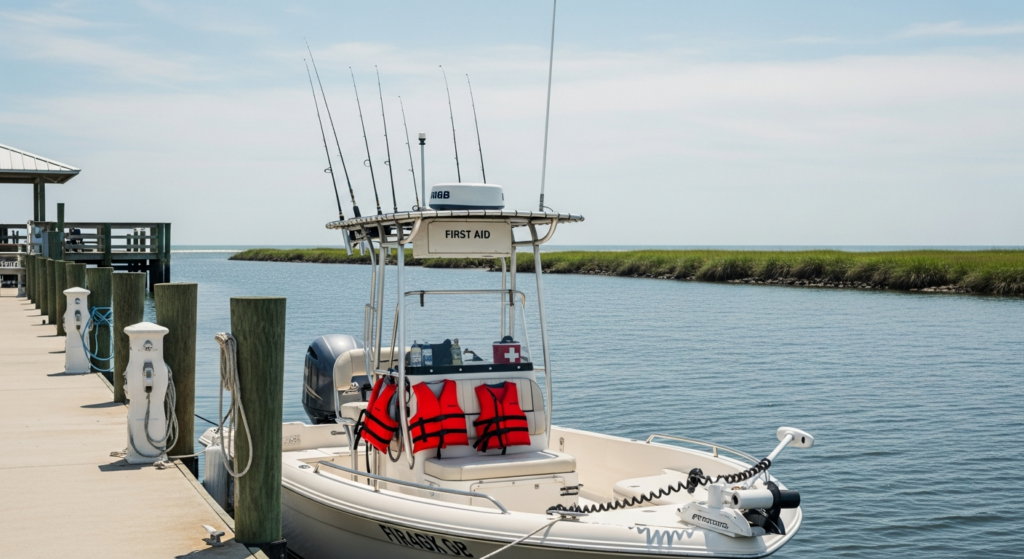
For those venturing out on boats, additional safety protocols are recommended. Ensuring adequate shade on the vessel is important for reducing sun exposure. All safety equipment, including life jackets, flares, and a fire extinguisher, must be in proper working order and easily accessible. A pre-trip check of the engine cooling system can prevent breakdowns far from shore. Filing a float plan with a trusted contact, detailing the intended route, duration, and expected return time, is a prudent measure. Carrying extra water, at least one gallon per person per day for emergencies, is advised, along with a comprehensive emergency supply kit that includes a VHF radio for reliable communication, especially in areas with limited cell service on the Atlantic Ocean or Intracoastal Waterway.
Why it matters in Myrtle Beach
The adherence to these fishing safety guidelines holds significant importance for the Myrtle Beach community, a region where water-based recreation, particularly fishing, is a cornerstone of both local lifestyle and the tourism economy. With thousands of residents and visitors frequenting the Atlantic Ocean, the Intracoastal Waterway, and local fishing piers like those at Myrtle Beach State Park, the potential for heat-related incidents and sun exposure injuries is substantial during the summer months. Local healthcare providers, including Grand Strand Regional Medical Center and Conway Medical Center, frequently manage cases of dehydration and heat stroke. By following these precautions, individuals can reduce strain on emergency services and healthcare facilities, ensuring a safer and more enjoyable summer for everyone on the water in Myrtle Beach.