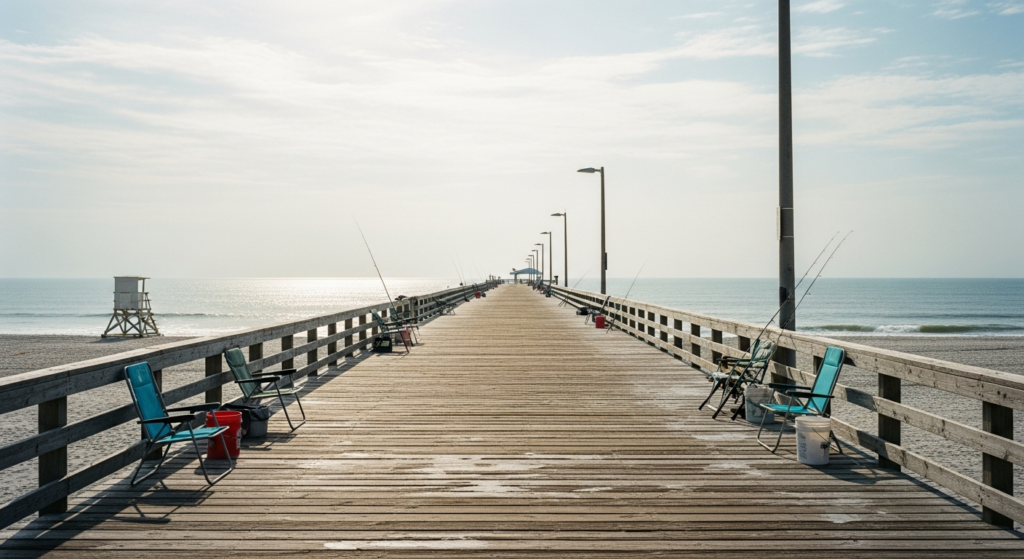
As summer continues in Myrtle Beach, anglers heading out to the Atlantic Ocean, the Intracoastal Waterway, or local fishing piers are reminded to take stringent precautions against the season’s intense heat and sun. A recently outlined guide details essential safety measures to mitigate risks ranging from sunburn and dehydration to life-threatening heat stroke, particularly relevant for those spending extended hours on the water or along the shore.
The guide underscores that the sun’s ultraviolet (UV) rays are at their most potent between 10 AM and 4 PM. Compounding this, water surfaces can reflect a significant portion of UV radiation, increasing exposure by up to 15%. This reflective quality means that even under cloudy skies, or when partially submerged, individuals are still highly susceptible to sun damage. The cumulative effect of prolonged exposure without adequate protection can lead to severe sunburn, accelerated skin aging, and an increased risk of skin cancer.
To combat this, the recommendations include using a broad-spectrum sunscreen with a sun protection factor (SPF) of at least 30, with SPF 50 or higher strongly advised for extended periods on the water. Broad-spectrum sunscreens protect against both UVA and UVB rays. For maximum effectiveness, sunscreen should be applied generously at least 30 minutes before going outdoors, allowing it to bind to the skin. Reapplication is crucial, with the guide suggesting every two hours, or more frequently if sweating heavily, getting wet from splashing, or after swimming, to maintain continuous protection.
Beyond topical protection, appropriate clothing and accessories are vital. Anglers are encouraged to wear lightweight, long-sleeved clothing with an Ultraviolet Protection Factor (UPF) rating. Unlike SPF, which measures a sunscreen’s effectiveness, UPF measures the amount of UV radiation that penetrates fabric. Light-colored garments are also recommended as they reflect sunlight rather than absorbing it, helping to keep the body cooler. A wide-brimmed hat, providing at least 4 inches of coverage around the entire head and neck, is essential for shielding the face, ears, and neck from direct sun. Polarized sunglasses offering 100% UV protection are also critical, not only to prevent eye damage from direct and reflected sunlight but also to reduce glare, which can improve visibility on the water.
Hydration is another cornerstone of summer safety. The guide stresses the importance of proactive and consistent fluid intake, recommending at least 8 ounces of water every 15 to 20 minutes during active fishing. This frequent, smaller intake is more effective than consuming large amounts infrequently. Starting hydration the night before an outing can also help prepare the body for the demands of heat and activity. Conversely, beverages high in caffeine or alcohol should be avoided, as they can act as diuretics, leading to increased fluid loss and exacerbating dehydration.
Recognizing the signs of dehydration is paramount for early intervention. Early symptoms include increased thirst, dry mouth, decreased frequency of urination, and general fatigue. If these signs are ignored, dehydration can progress to more severe symptoms such as dizziness, a rapid heartbeat, and confusion. At this stage, immediate action is required to rehydrate and cool the individual to prevent further complications.
Heat stroke represents a life-threatening emergency, demanding immediate medical attention. The guide describes possible symptoms including a body temperature exceeding 103°F, an altered mental state (such as confusion, irritability, or slurred speech), hot and dry skin (though sweating may still occur in some cases), a rapid and strong pulse, and potential unconsciousness. If heat stroke is suspected, the guidance is to call 911 immediately. While waiting for emergency services, aggressive cooling measures should be initiated, such as moving the person to a cooler, shaded area, applying wet cloths or ice packs to the neck, armpits, and groin, and fanning them to promote evaporative cooling.
For those venturing onto the water in boats, additional precautions are advised. Before departure, boaters should thoroughly check their engine cooling system to prevent overheating and potential breakdowns that could leave them stranded. All required safety equipment, including personal flotation devices (PFDs) for every person onboard, should be inspected and readily accessible. Filing a float plan with a trusted contact, detailing the boat’s itinerary, expected return time, and number of passengers, is a simple yet critical step that can aid search and rescue efforts if an emergency arises. Carrying extra water and emergency supplies, beyond what is needed for the planned outing, is prudent. Specifically, the guide recommends having at least one gallon of water per person per day for emergencies. Finally, maintaining a functional VHF radio onboard ensures reliable communication with the Coast Guard and other vessels, especially in areas where cell phone service may be unreliable.
Why it matters in Myrtle Beach
The detailed safety guidelines are particularly pertinent for Myrtle Beach, a community deeply connected to its coastal environment and the opportunities for recreation it provides. With the Atlantic Ocean and the Intracoastal Waterway serving as popular fishing grounds, both residents and the many visitors who come to the Grand Strand engage in angling activities throughout the summer. Adhering to these precautions is not merely a matter of personal comfort but a critical component of public safety, reducing the strain on local emergency services like Grand Strand Regional Medical Center and the City of Myrtle Beach’s first responders. By proactively addressing the risks associated with summer heat and sun, anglers can ensure their outings remain enjoyable and safe, contributing to the overall well-being of the community and preserving the area’s reputation as a premier destination for outdoor recreation.